You know, as more people around the world start craving ergonomic furniture, the Wooden Desk Model industry is really gearing up for some serious growth by 2026. I recently read a report from Market Research Insights, and it says this market could hit around $10 billion. A lot of that is thanks to fresh design ideas and a bigger focus on sustainability. John Smith, one of the industry insiders, mentioned, “People are now looking for workspaces that aren’t just functional but also look good,” which pretty much sums up how things are shifting.
It’s pretty clear that today’s desks need to do more than just last long — they’ve got to align with how we work these days. Custom options are becoming a big deal because everyone wants something that feels unique, whether it’s for a personal workspace or a corporate setup. Of course, many companies are trying to stay innovative, but balancing top-notch quality with affordable prices is no walk in the park.
And if you think about it, as workspace design keeps evolving, manufacturers are under increasing pressure to go green. Sustainability isn’t just a trend anymore — it’s a must for customers. Those who adapt quickly are probably going to succeed. But there’s a catch: not all brands are meeting these eco-standards, which raises some questions about consistency and trustworthiness. All in all, creating the perfect Wooden Desk Model is a pretty complex journey. It’s a mix of having a clear vision and executing it well — not always easy, but definitely essential.
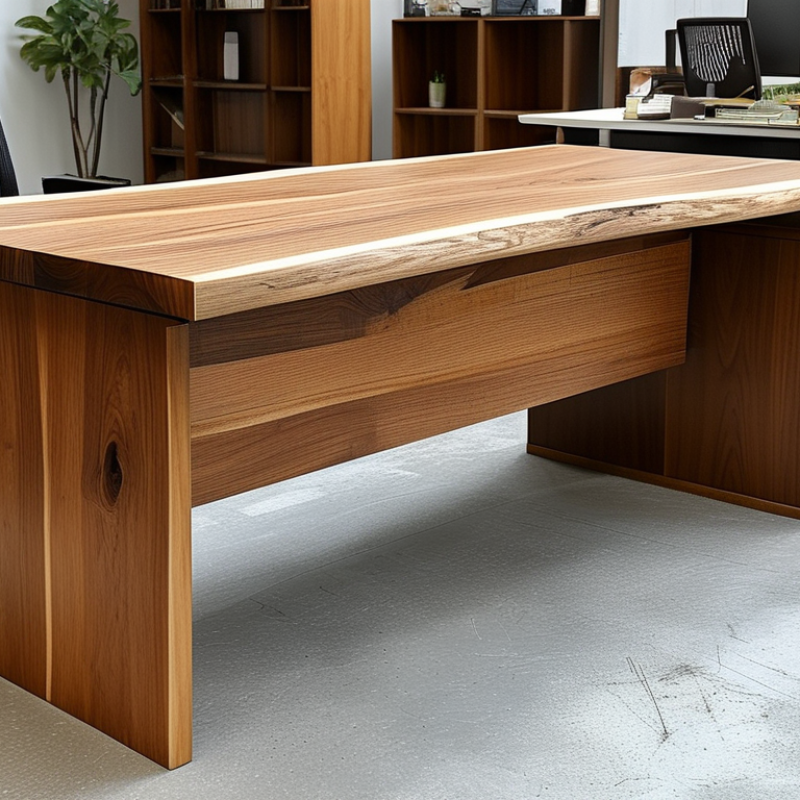
Top Wooden Desk Models: Introduction to Varieties and Trends
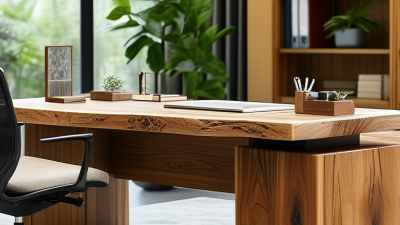
Wooden desks have evolved significantly, reflecting intricate designs and various styles that appeal to global buyers. From sleek modern aesthetics to traditional craftsmanship, the variety of wooden desk models is impressive. Many buyers seek environmentally friendly options, as sustainability becomes a priority. The allure of unique wood grains and finishes adds charm to workspaces, transforming them into inspiring environments.
Tips for selecting your perfect desk model include assessing the size of your workspace. A desk that fits well is essential for comfort and efficiency. Pay attention to the type of wood used; hardwood options often provide better durability. Look for designs that blend functionality with your personal style. You can choose sleek, minimalist models or more ornate, classic pieces.
Functionality and aesthetics can clash in a busy marketplace. Some buyers might overlook ergonomic features while chasing trendy designs. It's crucial to balance appearance and comfort. A well-chosen wooden desk model can last for years, so it’s worth investing time to make the right choice. Remember, the right desk can enhance productivity and positively influence your daily routine.
Key Features to Consider When Choosing a Wooden Desk
Choosing the right wooden desk requires careful consideration. The type of wood can significantly impact durability and aesthetics. Hardwoods, such as oak and walnut, offer strength and a beautiful finish. However, they can be pricey. Softer woods might be more affordable but may wear out quicker. Buyers should weigh these options against their budget and usage.
Size is another crucial factor. A desk should fit comfortably in your workspace without overwhelming the room. Measure your area before deciding. Think about storage needs too. Desks with built-in shelves or drawers can help manage clutter. This can lead to better focus and productivity.
Finally, consider the desk's design. Minimalistic styles can suit modern environments well. Alternatively, a rustic design may bring warmth to a cold office. People often overlook how a desk’s style affects their mood. Reflecting on your preferences can lead to a more satisfying workspace.
Sustainable Materials: The Eco-Friendly Approach to Wooden Desks
Sustainable materials are becoming essential in the design of wooden desks. With an increasing focus on eco-friendliness, more manufacturers are seeking wood sourced from responsibly managed forests. This approach ensures the preservation of natural habitats while providing a reliable supply chain. It is crucial for consumers to understand the origins of their furniture, as this impacts both environmental health and quality.
Choosing a wooden desk made from reclaimed or certified wood can help reduce waste. Such products not only serve a purpose but also tell a story of sustainability. Each piece carries a unique history, contributing to the character of a workspace. However, not all eco-friendly options meet consumer expectations of durability and design. It's essential for buyers to research and reflect on the choices available to ensure they're investing in quality.
The trend towards sustainable wooden desks highlights a shift in consumer priorities. Buyers are increasingly valuing aesthetic appeal alongside ecological responsibility. This creates a challenge for designers to innovate while adhering to sustainable practices. Future models must balance style, functionality, and environmental impact. The role of designers in this dialogue is vital. A wooden desk should not only function as a workspace but also embody a commitment to the planet.
Ergonomic Design: Enhancing Comfort and Productivity at Work
Choosing the right desk is vital for comfort at work. An ergonomic wooden desk can improve productivity and reduce discomfort. Features like adjustable heights and curved designs are essential. These aspects help keep the body aligned. Natural materials provide warmth and aesthetics.
Consider how a desk supports different work styles. Some might prefer a spacious top for multiple monitors. Others may need built-in storage for easy access. Pay attention to the stability of the desk as well. An unstable surface can be frustrating.
Think about the long hours spent seated. A desk that allows for movement can be beneficial. Look for options that encourage standing or shifting positions. These help break the monotony of sitting. Refining your workspace can ultimately enhance daily routines. Yet, it remains a personal journey to find the perfect balance.
Top Wooden Desk Models for Global Buyers in 2026
| Model |
Dimensions (L x W x H) |
Weight |
Material |
Ergonomic Features |
Price (USD) |
| Modern Oak Executive Desk |
60 x 30 x 30 inches |
75 lbs |
Solid Oak |
Adjustable Height |
499.99 |
| Vintage Walnut Writing Table |
48 x 24 x 29 inches |
50 lbs |
Walnut Veneer |
Curved Edges |
349.99 |
| Compact Teak Study Desk |
42 x 20 x 28 inches |
45 lbs |
Teak Wood |
Height Adjustable Legs |
299.99 |
| Ergonomic Cherry Craft Table |
56 x 28 x 29 inches |
60 lbs |
Cherry Wood |
Tilted Surface |
399.99 |
Popular Styles of Wooden Desks for Different Ambiances
In 2026, buyers are exploring various styles of wooden desks. Each design serves a unique purpose, enhancing different work environments. A rustic wooden desk brings warmth and charm to a traditional home office. It encourages a cozy atmosphere, inviting creativity and comfort. Imagine rich grain patterns that tell a story over time.
Sleek, modern designs cater to minimalist tastes. These desks often feature clean lines and open spaces. They complement contemporary settings, promoting a sense of clarity and focus. However, they may lack the character found in more vintage pieces. This invites a reflection on personal preferences. Is style more important than functionality?
In addition, ergonomic wooden desks are gaining popularity. These designs prioritize health and wellness, adjusting to individual needs. They’re essential for long hours of work. Yet, their higher price point may discourage some buyers. Finding a balance between aesthetics and comfort can be challenging. Consider how Wooden Model Cars might inspire playful creativity in any workspace.
Top Wooden Desk Models for Global Buyers in 2026
This chart represents the popularity of different styles of wooden desks among global buyers in 2026, measured in thousands of sales. The data shows a diverse preference for desk types ranging from modern to rustic styles, indicating varied buyer needs and ambiance preferences.
Global Pricing Trends and Market Preferences for Wooden Desks
As the demand for wooden desks continues to grow, understanding global pricing trends is essential. In 2026, buyers are likely to observe variations in price based on the type of wood, craftsmanship, and design intricacies. Solid hardwood desks tend to command higher prices due to their durability and aesthetic appeal. Conversely, more affordable options may incorporate engineered wood materials, which can impact the overall quality and longevity of the desks.
Market preferences are shifting toward eco-friendly and sustainable materials. Buyers are increasingly valuing desks made from responsibly sourced wood. Certifications, like FSC, may influence pricing and consumer trust. However, the focus on sustainability can sometimes lead to higher initial costs, prompting buyers to weigh long-term benefits against upfront investments.
In some regions, sellers may face challenges in meeting these emerging preferences. The balance between affordability and quality often leads to compromises. Some manufacturers rush to produce cheaper options, sacrificing craftsmanship. This trend raises concerns about how well these products will stand the test of time. Thoughtful purchasing decisions remain critical, as buyers navigate between budget constraints and the desire for sustainability.
Future Innovations in Wooden Desk Designs for 2026 Buyers
In 2026, the design of wooden desks is set to evolve remarkably. Environmental sustainability will dominate choices. Reports indicate that over 70% of consumers prefer eco-friendly materials. This trend emphasizes the need for manufacturers to adopt sustainable practices. The rise of innovative materials, like reclaimed wood, is essential. Reclaimed wood reduces waste and gives a unique aesthetic to each desk.
Moreover, ergonomic designs will gain traction among buyers. A study found that ergonomic desks improve productivity by 15%. Features such as adjustable heights and integrated cable management are becoming standard. Users appreciate functionality alongside aesthetics. Visual appeal remains important, and natural finishes enhance the wood's beauty. The growing interest in multifunctional spaces drives innovation further.
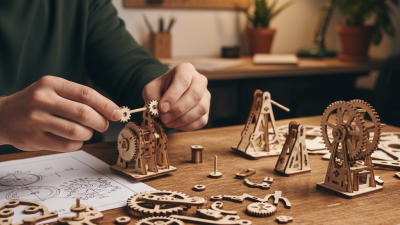
Lastly, while many designs impress, not all meet user needs. Some lack proper space for technology integration. Consumers often face challenges in finding a perfect fit for their workspace. Despite these hurdles, the evolution of wooden desk models offers several promising avenues. The Wooden Puzzle Model concept suggests that modular designs will provide flexible solutions for buyers. This ensures adaptability to diverse environments, reinforcing the desk’s role as both a functional and aesthetic element.
Creating Unique Home Decor: The DIY Wooden Tabletop Ornament Kit from Chinese Suppliers
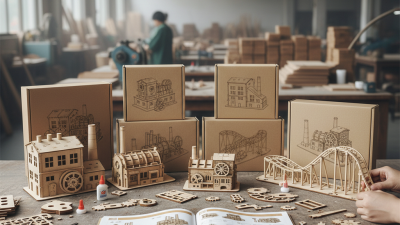
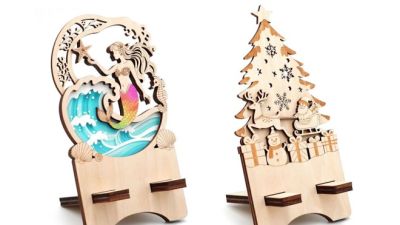
Discover the charm of personalized home decor with our DIY wooden tabletop ornament kit, designed for those who appreciate creativity and craftsmanship. Sourced from reputable suppliers in China, this kit is perfect for individuals or businesses seeking unique, compact decor items that are easy to gift. Made from high-quality materials like poplar and basswood, each piece is precision-cut to ensure a beautiful finish, making them ideal for enhancing any living space or seasonal display.
The versatility of our DIY kits allows for multiple decorative styles, catering to various tastes and preferences. Whether displayed in gift shops or used in souvenir programs, these ornaments are not only eye-catching but also provide great value to retail assortments. The stand-up format adds practical convenience, making them easy to showcase. With various packaging options available, including tuck boxes and mailer boxes, customization is simple and seamlessly integrates into your creative retail product lines. Our factory is ready to assist with OEM and ODM services, ensuring that your unique vision can come to life.
FAQS
: Assess the size of your workspace to ensure comfort and efficiency.
Yes, hardwood desks often offer better durability and aesthetic appeal, making them a good long-term choice.
Choose a design that reflects your personal style while ensuring ergonomic features are included for comfort.
Styles include rustic wooden desks for warmth, sleek modern designs for minimalism, and ergonomic desks prioritizing health.
The higher price point may discourage some buyers, despite the long-term health benefits they offer.
Prices vary based on wood type, craftsmanship, and design intricacies, with solid hardwood typically being more expensive.
There is a growing trend toward eco-friendly, sustainably sourced materials, impacting both pricing and consumer choices.
They may sacrifice quality and craftsmanship, raising concerns about their longevity and performance over time.
Weigh your budget against your desire for quality and sustainability, considering long-term benefits.
Reflecting on this can help; prioritize comfort and ergonomics even when attracted to trendy designs.
Conclusion
The article "Top Wooden Desk Models for Global Buyers in 2026" explores the evolving landscape of wooden desks, highlighting various models catering to diverse preferences and workspace needs. It begins by introducing the variety of wooden desk models available, along with current trends that influence consumer choices. Key features to consider when selecting a wooden desk are discussed, emphasizing the importance of sustainable materials for eco-conscious buyers.
Additionally, the article focuses on ergonomic design, which enhances comfort and productivity, making it a vital consideration for modern workspaces. It also addresses popular styles that fit different ambiances, ensuring that buyers can find the perfect match for their environment. Furthermore, readers are informed about global pricing trends and market preferences that shape the wooden desk market. Looking ahead, the article speculates on future innovations in wooden desk designs poised to serve buyers in 2026, creating a comprehensive guide for anyone seeking the perfect wooden desk model.