

Custom 3D Wooden Puzzles: An OEM and ODM Manufacturing Guide
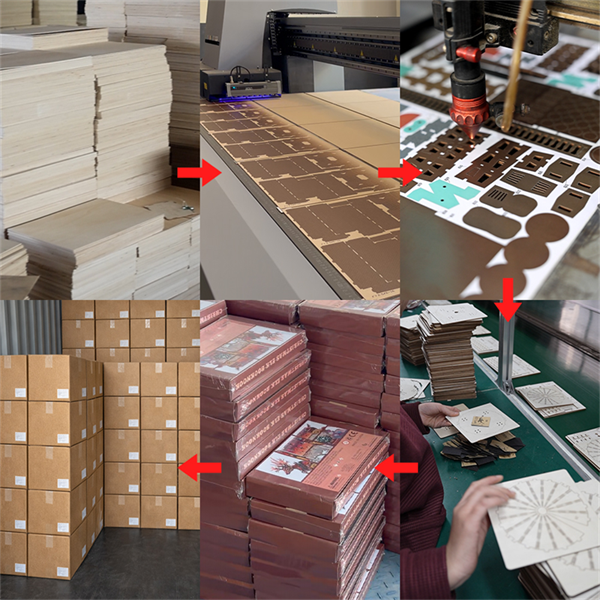
A wooden craft kit that reaches retail shelves has passed through multiple hands and production stages before it arrives in its final packaging. For brands and distributors sourcing OEM products, the gap between a product concept and a shippable finished good can feel like a black box — especially when working with a new manufacturing partner for the first time.
Choosing a wooden puzzle manufacturer therefore involves more than comparing product photographs and unit prices. Material selection, structural design, laser cutting, printed artwork and assembly instructions all influence the finished kit.
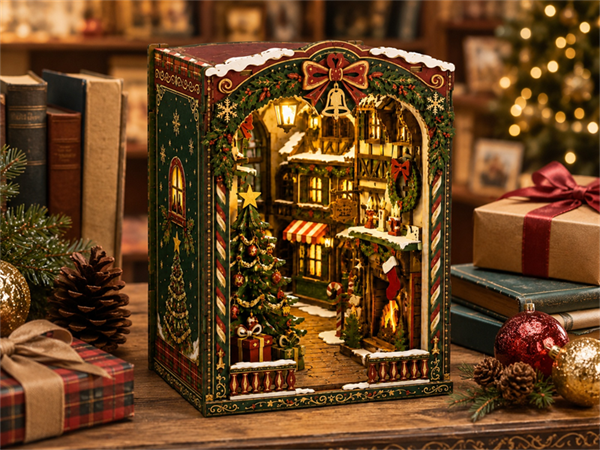
At Linyi Wooden Toys Co., Ltd., we support OEM and ODM development for architectural models, mechanical models, miniature scenes, seasonal collections and Book Nooks. This guide explains the key decisions involved in taking custom 3D wooden puzzles from an initial concept to bulk production.
1. Define the Product Before Starting Custom Wooden Puzzle Development
A clear product brief connects the design to its intended customer. A beginner-friendly wooden vehicle, a detailed architectural model and a moving mechanical puzzle require different approaches to part size, structural complexity and assembly.
Before development begins, define:
- The product theme, intended user and target market.
- Approximate finished dimensions and preferred assembly difficulty.
- Required functions, such as moving mechanisms, lighting or music
- Target order quantity, packaging format and planned launch date
A target budget is also useful. It allows material usage, part count, accessories and packaging to be considered together from the beginning.
2. Select the Right OEM or ODM Wooden Puzzle Service
For OEM wooden puzzles, customers typically provide an established design or specification. The manufacturing review focuses on whether the files can be translated into practical cutting layouts, suitable materials and consistent assembly results.
For ODM wooden puzzles, the manufacturer takes a more active role in developing the product structure from a concept or reference. This can include dividing a three-dimensional form into flat components, designing connections and planning the assembly sequence.
Custom wooden model kits often use tab-and-slot construction. Each connection must serve a purpose: locating a panel, supporting a structure or allowing a moving component to operate.
The development scope should identify who supplies the artwork, who prepares the structural files and which deliverables are included. Design ownership, confidentiality and any exclusivity arrangements should also be agreed before detailed work begins.
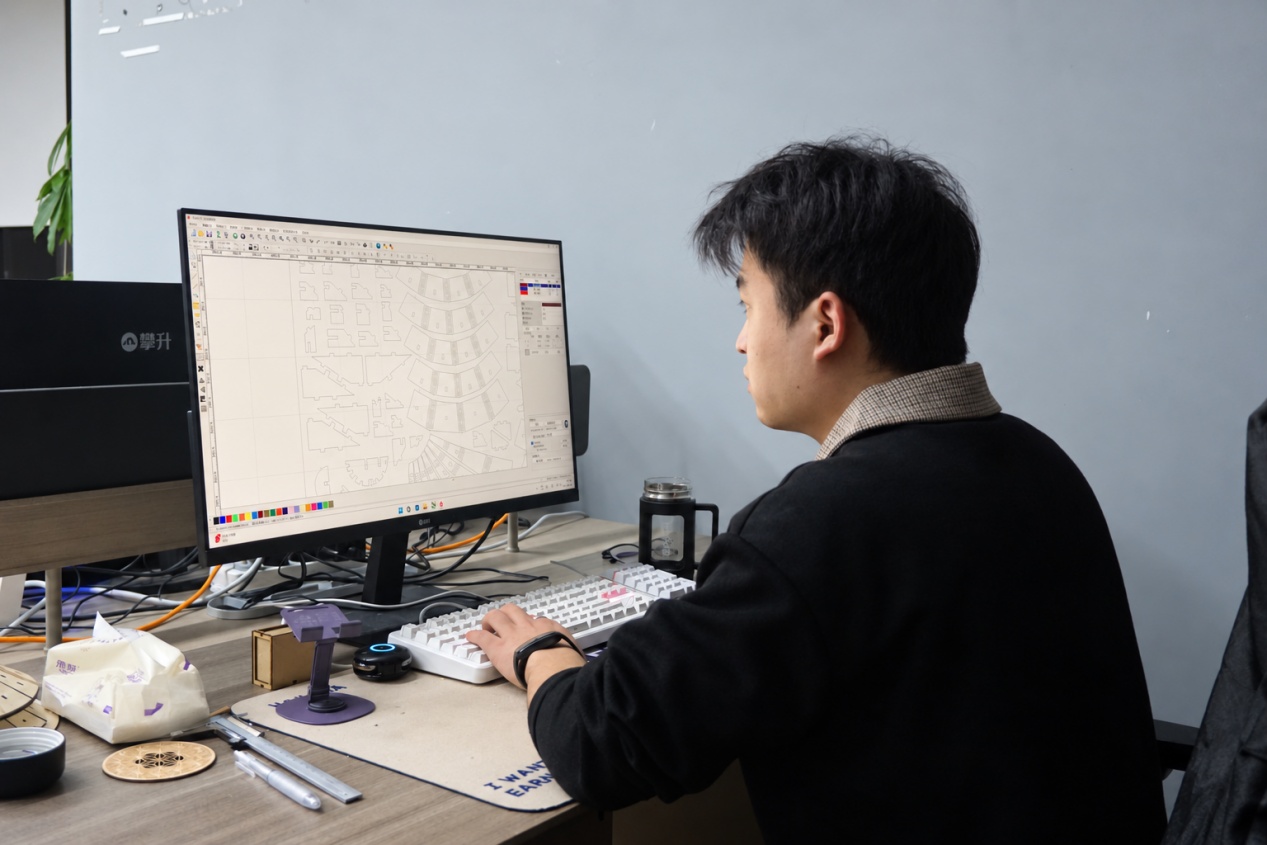
3. Match Materials and Joint Design for Laser-Cut Wooden Puzzles
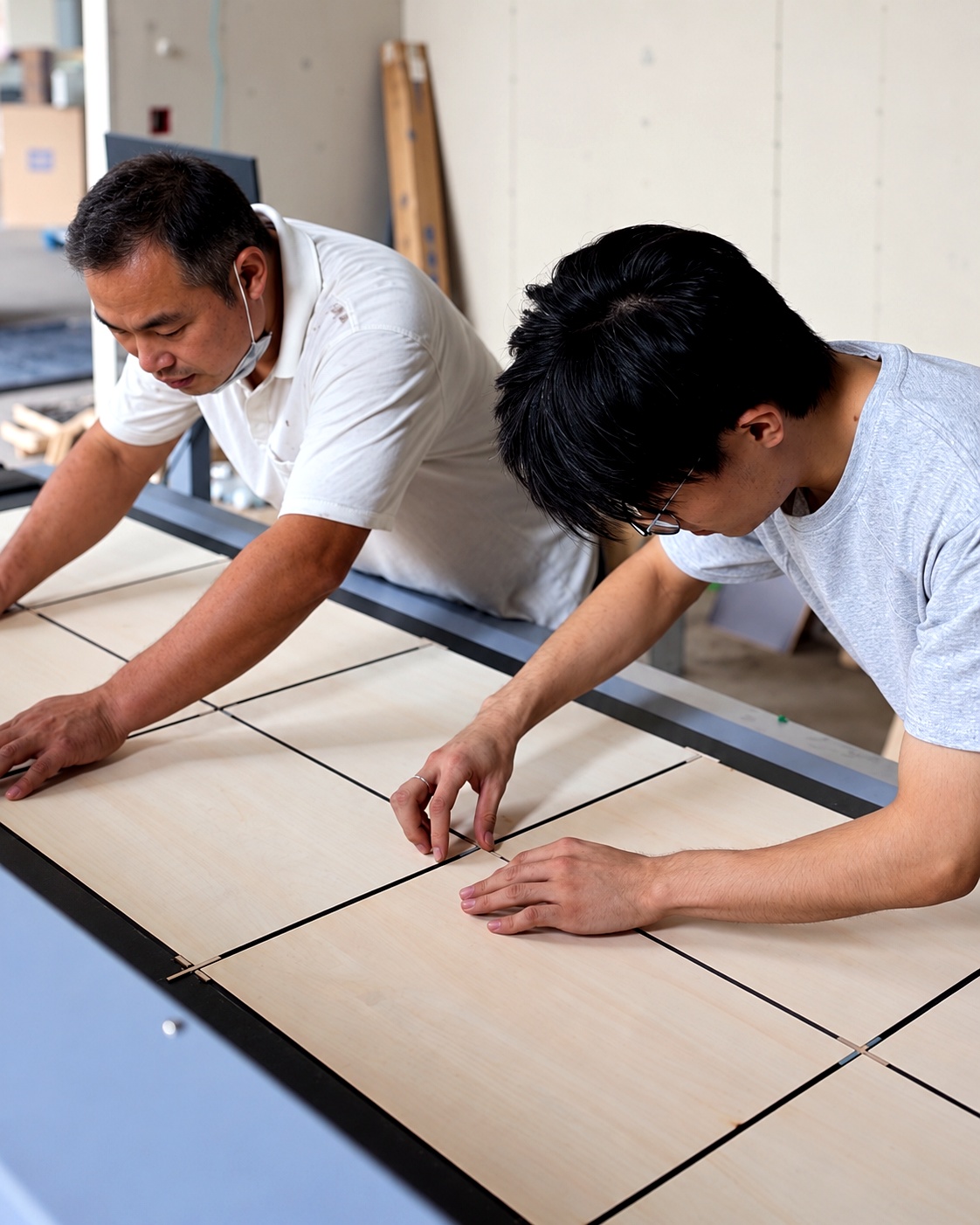
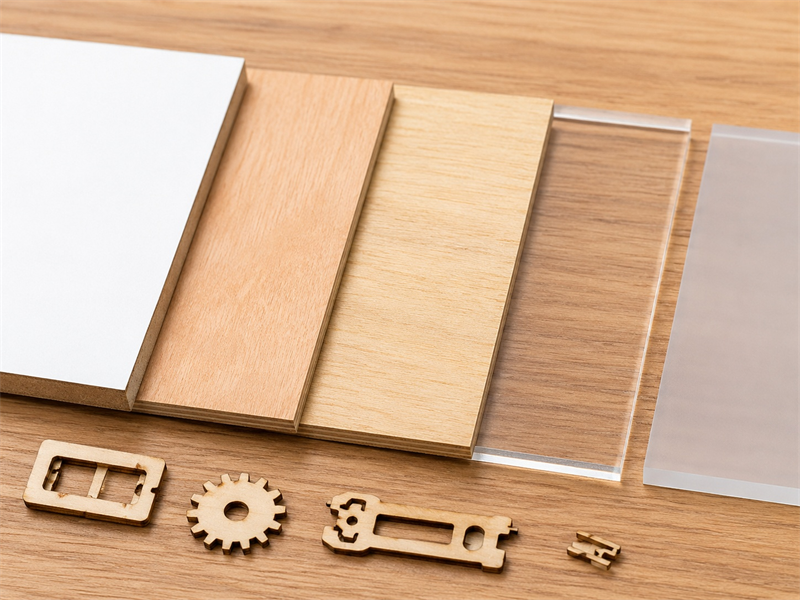
Material thickness directly affects the fit of laser-cut wooden puzzles. A slot designed only around a nominal board thickness may behave differently when tested with the actual production material
Plywood and MDF should be assessed for their thickness consistency, flatness, surface appearance and suitability for the intended components. The width of material removed during laser cutting—the kerf—also affects the final dimensions of tabs and slots.
For this reason, connection fit should be checked using the selected material and cutting process. There is no single slot dimension that suits every wooden puzzle design.
A connection that is too tight may require excessive force and damage a delicate part. A connection that is too loose may weaken the assembled model. Moving mechanisms may need clearance rather than the firm fit used for fixed structural joints.
Small bridges, narrow details and the direction in which parts are removed from the sheet also deserve attention. These decisions influence both manufacturing reliability and the customer’s assembly experience.
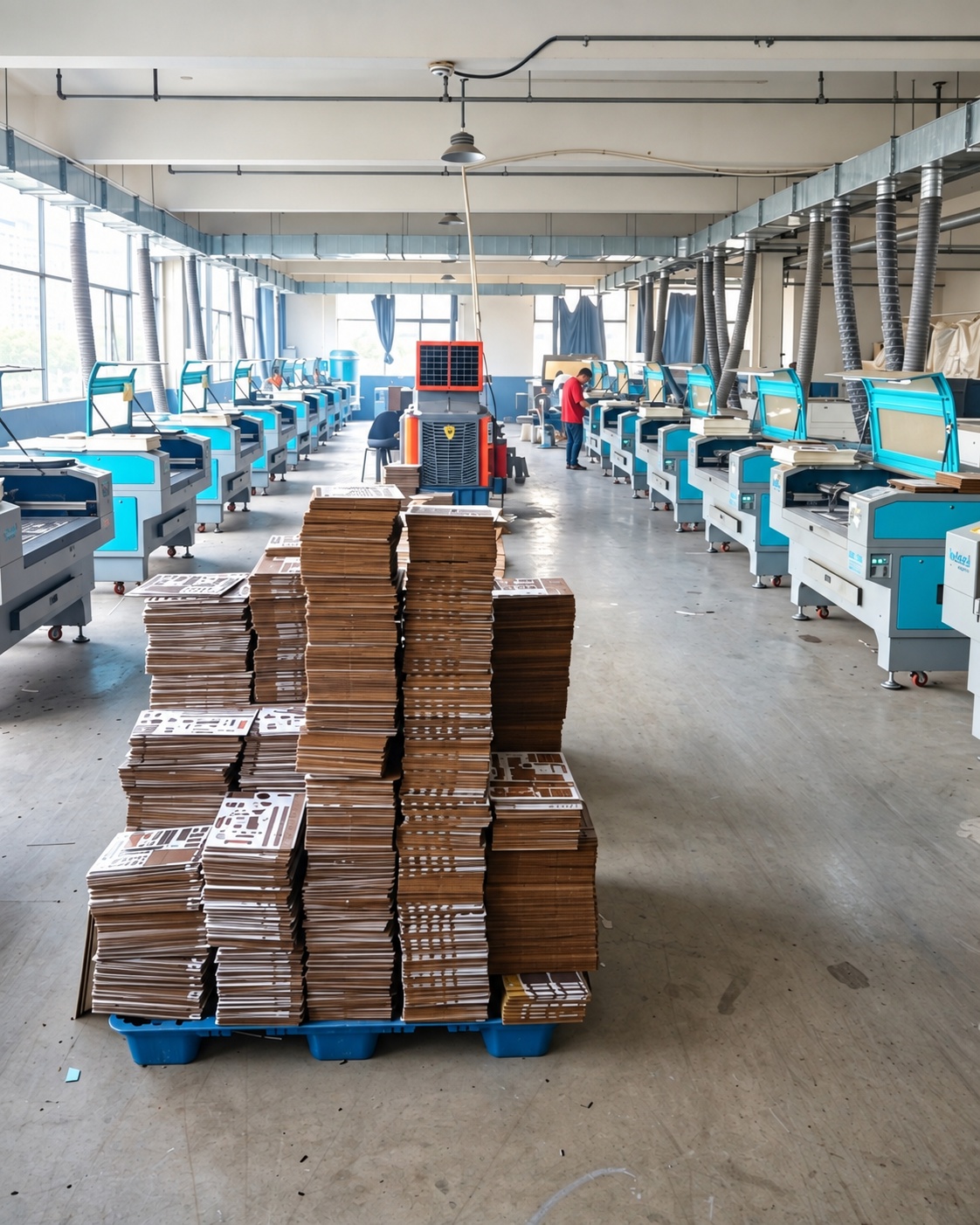
4. Coordinate UV Printing with the Wooden Component Layout
UV printing allows custom wooden puzzles to carry detailed colors, architectural features and branded graphics. The artwork must be coordinated with the component geometry.
Printed details need to align with the cutting paths, particularly around windows, decorative borders, signs and connecting panels. Where applicable, front and back artwork should be checked for orientation before sampling.
Artwork preparation should distinguish printed graphics, cutting lines, engraving details and part identification. This helps avoid confusion when files move between design and production.
Color should be reviewed on the chosen material. A digital screen preview alone cannot confirm the final printed appearance. Surface printing also leaves the laser-cut edges visible, so those edges should be considered part of the product’s visual design.
5. Use Prototype Sampling to Verify the Assembly Experience
A physical prototype should answer practical questions that a rendering cannot.
Can the parts be removed without damage? Do the main connections fit properly? Can customers reach each joint in the intended assembly order? Does the finished model remain stable?
For mechanical wooden puzzles, sampling should also examine moving clearances, friction and potential interference between components. Lighting or music features, where specified, need to be reviewed together with their installation and accessory arrangement.
The sample review should cover appearance, structure, functionality and instructions. Agreed changes should then be reflected in the relevant drawings, artwork and component list.
Before bulk production, both parties should identify the approved sample and file revision. This gives purchasing, manufacturing and inspection teams a common reference.
6. Develop Private Label Wooden Puzzles as Complete Retail Kits
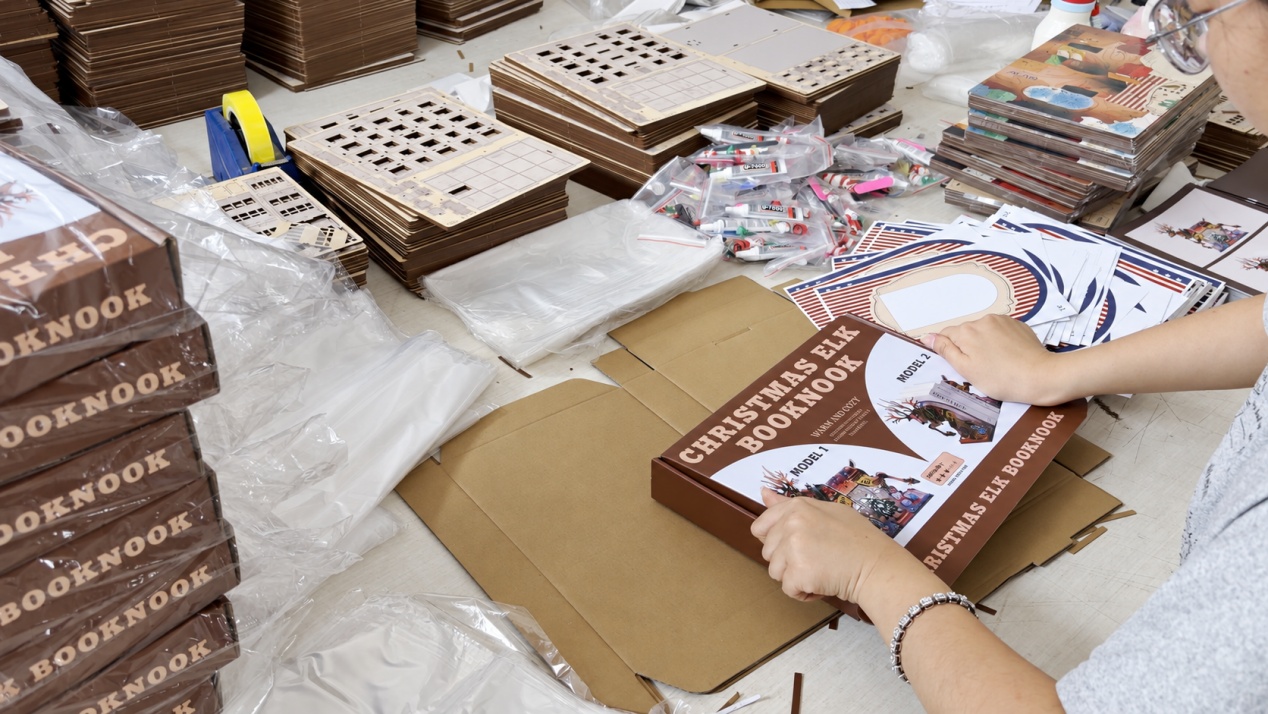
For private label wooden puzzles, the packaging and instructions form part of the product.
A complete kit specification should identify the wooden sheets, accessories, printed instructions, inserts and packaging components. A bill of materials helps define what belongs in each set and supports packing checks.
Instructions should use consistent part numbers, clear diagrams and a logical sequence. Reviewing them during sample assembly helps identify missing explanations before printing.
Retail presentation and export packing should be planned together, including carton quantities, shipping marks and the protection needed during handling.
7. Establish Quality Checks for Wooden Puzzle Manufacturing
Quality control is more useful when the inspection points are specific.Acceptance criteria and inspection frequency should reflect the product’s complexity and the buyer’s requirements. An appearance sample alone does not define every quality requirement.
The target market, intended age group and product configuration should also be discussed early so relevant testing and documentation can be planned for the specific project.
8. Plan MOQ, Costs and Lead Time for Bulk Orders
Lead time should account for development, sample review, revisions, material preparation, production and packing. International transport is a separate part of the delivery schedule.
Sharing your intended arrival date early helps both teams work backward and identify decisions that could affect the timeline.