


How to Choose the Right Wooden DIY Product for Your Market
Why Product Selection Matters in B2B Business
For B2B buyers, choosing the right product is not simply about picking the most attractive design. A product may look impressive in photos, but if it does not match the target market, price range, customer expectations, or sales channel, it may still perform poorly after launch.
That is why product selection is one of the most important early decisions in wooden DIY business. A good product should not only look good. It should fit the buyer’s market, work within a practical cost structure, suit the intended retail or wholesale channel, and offer enough value to stand out from competing items.
For companies working with a wooden DIY kits manufacturer, the right product decision can also make later steps much easier. It affects sampling, material choice, packaging, pricing, and whether the item is suitable for OEM or ODM development in the long term.
Why Different Markets Need Different Wooden DIY Products
Not every wooden DIY product is suitable for every market. Different customer groups respond to different product types, levels of complexity, packaging styles, and visual themes.
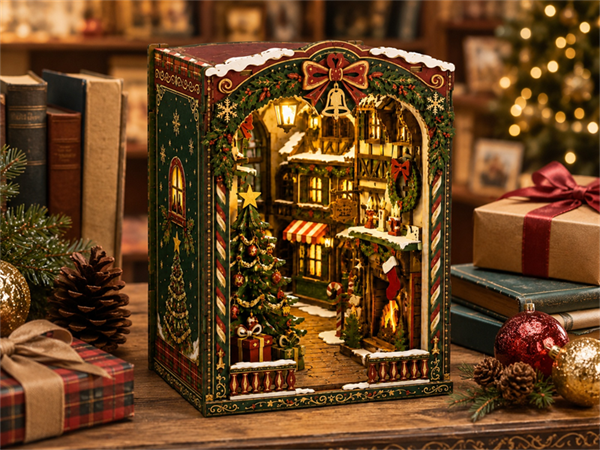
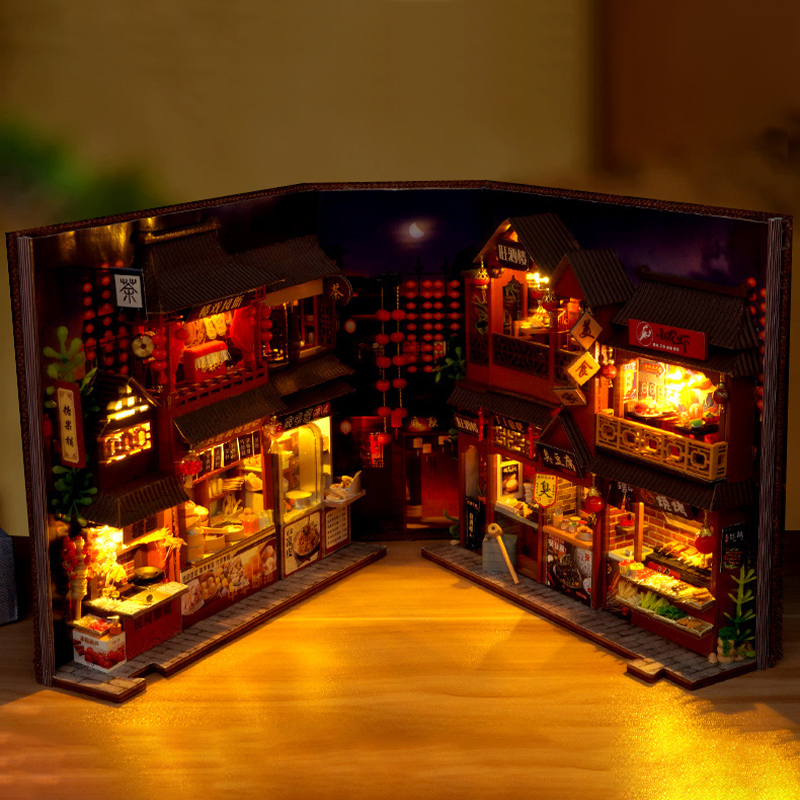
For example, a gift shop may prefer decorative items with strong shelf appeal and simple assembly. A hobby-focused market may accept more complex structures and longer assembly time. Educational channels may pay more attention to learning value, safety, and age suitability. Bookstore or cultural retail channels may prefer storytelling products such as book nooks, architectural themes, or mini scene models. Because your site already presents a mix of wooden puzzles, miniature wooden crafts, educational toys, and custom wooden toy development, this makes product matching especially important for buyers deciding where to start.
A successful product choice usually happens when the design, structure, finish, packaging, and market use all support each other.
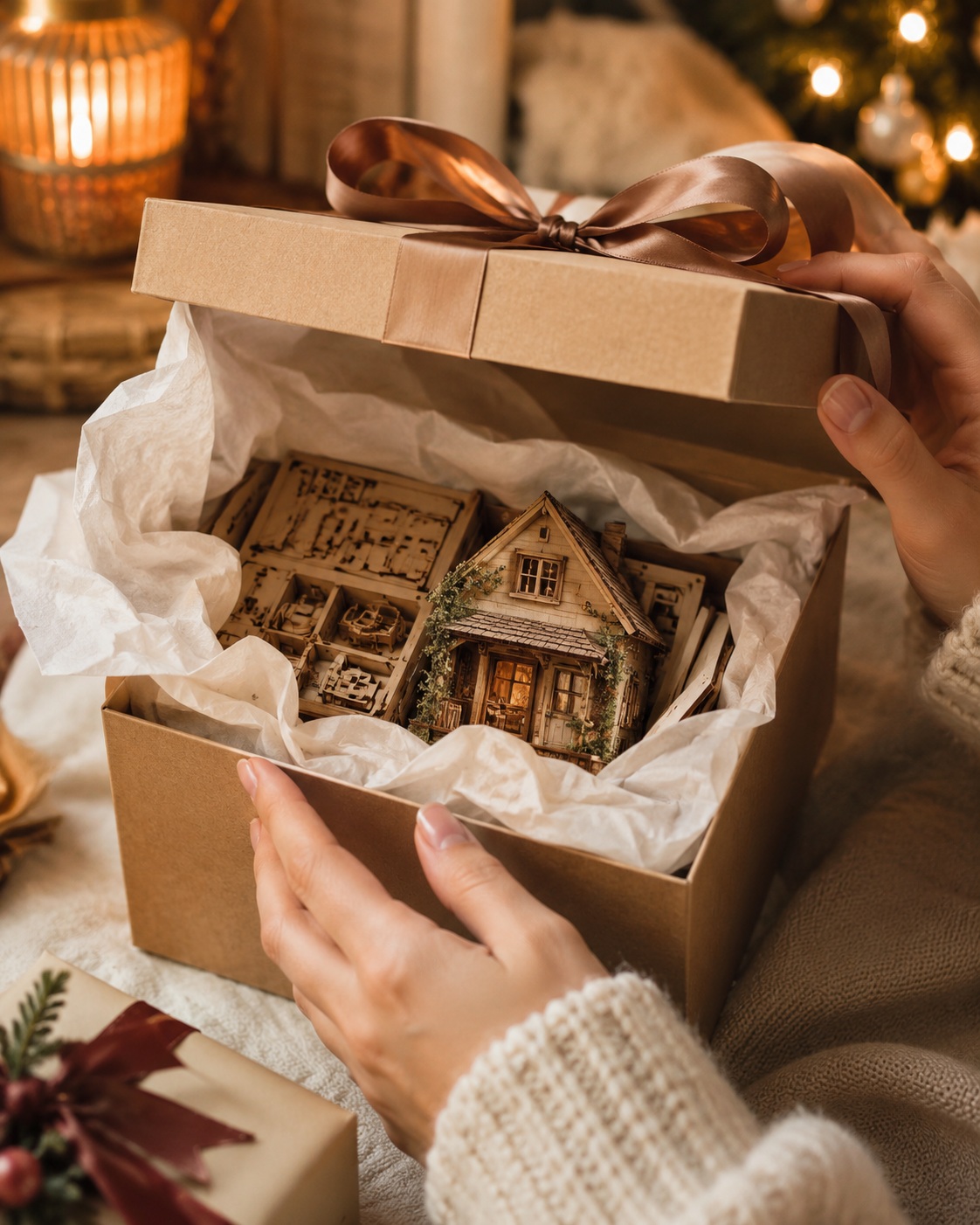
Step 1: Define Your Target Market Clearly
The first step is to define where the product will be sold and who will buy it.
Before choosing a style or structure, buyers should think about questions such as: Is the product intended for gift retail, hobby stores, bookstore channels, museum shops, educational sales, or online direct-to-consumer testing? Is the target customer looking for a premium display item, a creative assembly experience, a branded souvenir, or a practical educational toy?
These questions matter because the same product may perform very differently in different channels. A premium-looking product with moderate assembly difficulty may work well for boutique gift markets, while a more interactive and detailed product may fit better in hobby-focused channels. Product selection becomes much easier when the sales environment is clear.
Step 2: Choose the Right Product Type for the Right Customer
Once the target market is defined, the next step is to choose the right product type.
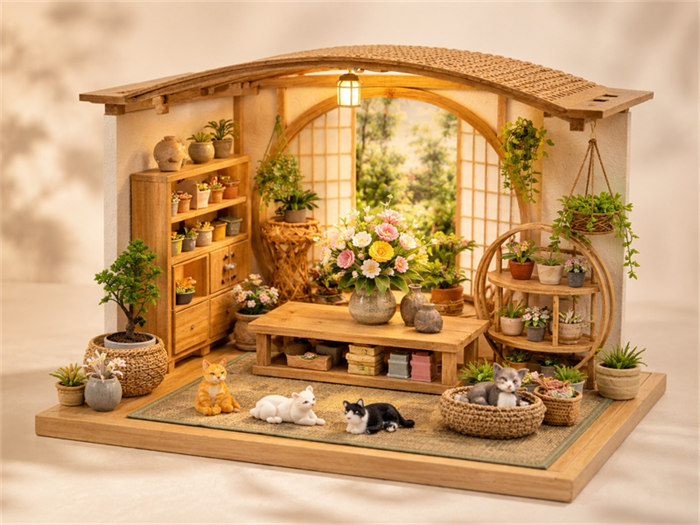
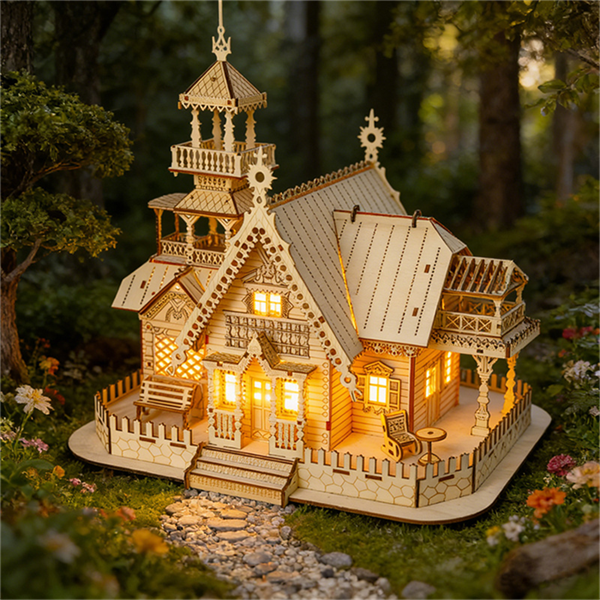
In general, wooden DIY products can be grouped into several practical directions: Book nooks and decorative shelf products for bookstore, gift, and home décor channels Miniature houses and themed scene models for hobby, collectible, and creative retail markets Wooden puzzles and educational models for learning-oriented and family-friendly channels Custom themed items for museums, souvenir stores, seasonal collections, or private label
This is also where buyers should think carefully about whether they need standard products, adapted products, or full OEM/ODM development. If the goal is to create a differentiated line, working with a book nook kit manufacturer or miniature house kit manufacturer that can support customization may be more valuable than choosing only generic ready-made products.
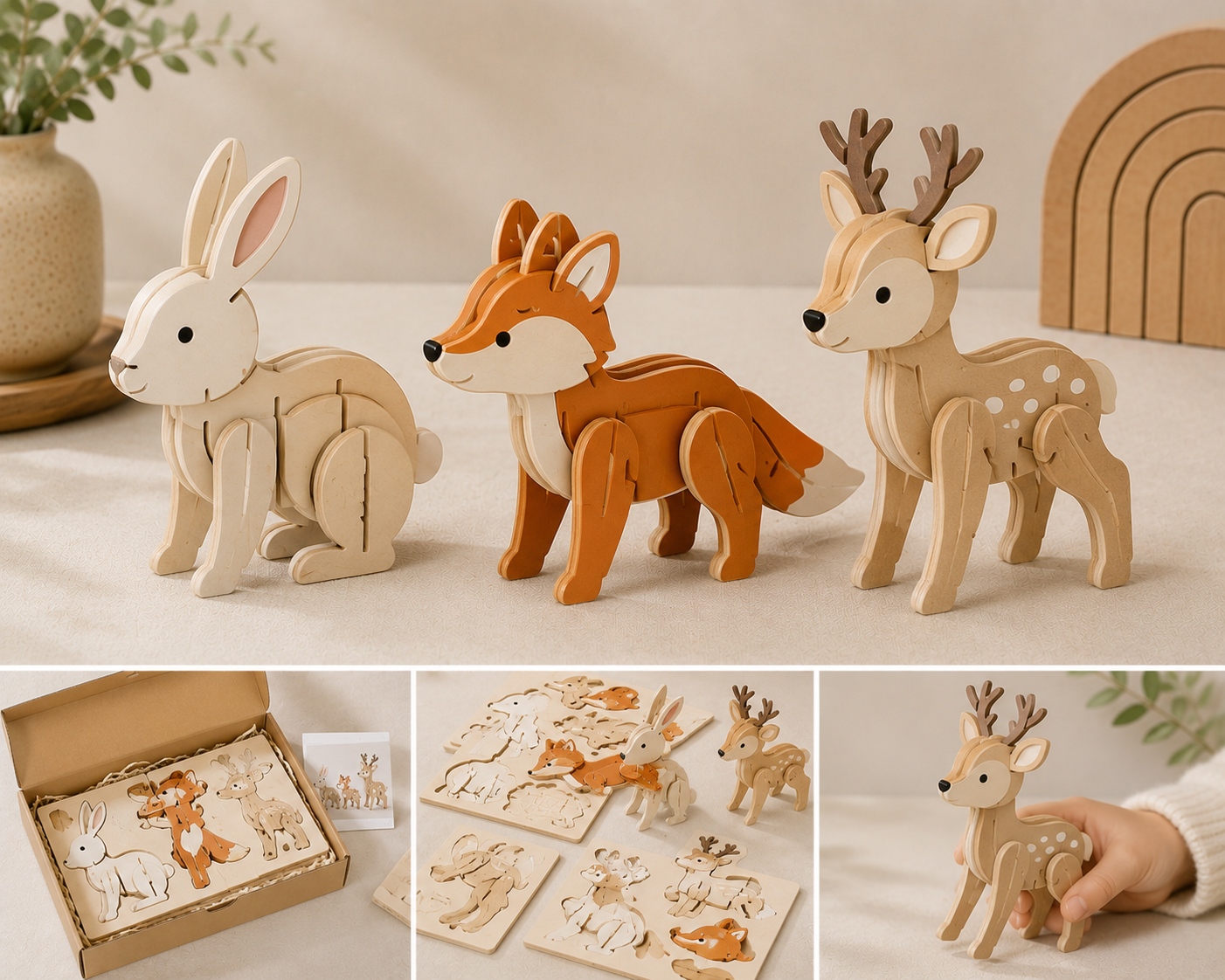
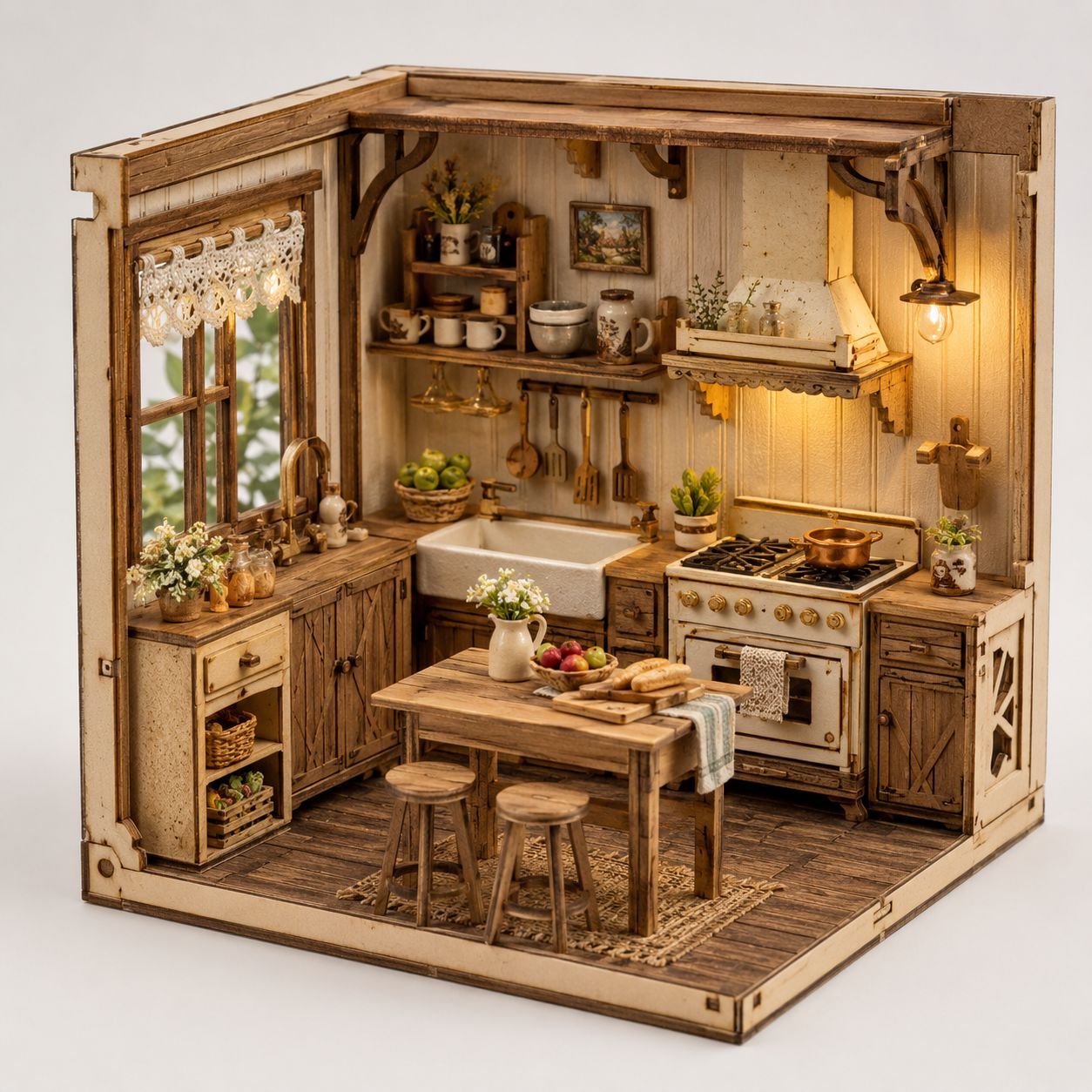
Step 3: Match the Product to the Right Price Level
In wooden DIY production, cutting accuracy affects almost everything. It determines slot fit, structural balance, edge cleanliness, and the overall assembly experience.A product may be visually attractive but still unsuitable if the cost structure does not fit the market.
For B2B buyers, pricing is not only about factory cost. It must also consider packaging, shipping, wholesale margin, retail price expectations, and how customers compare the item with alternatives in the same channel. A highly detailed product with many parts may look impressive, but if the market is price-sensitive, it may be harder to move in volume. On the other hand, a simpler product with a clear concept and good packaging may perform better in commercial terms.
This is where working with a professional wooden DIY kits manufacturer becomes valuable. The right factory can help buyers understand whether the product direction matches the target cost level, rather than developing an item that looks good but is difficult to price competitively.
Step 4: Consider Material, Finish, and Product Positioning
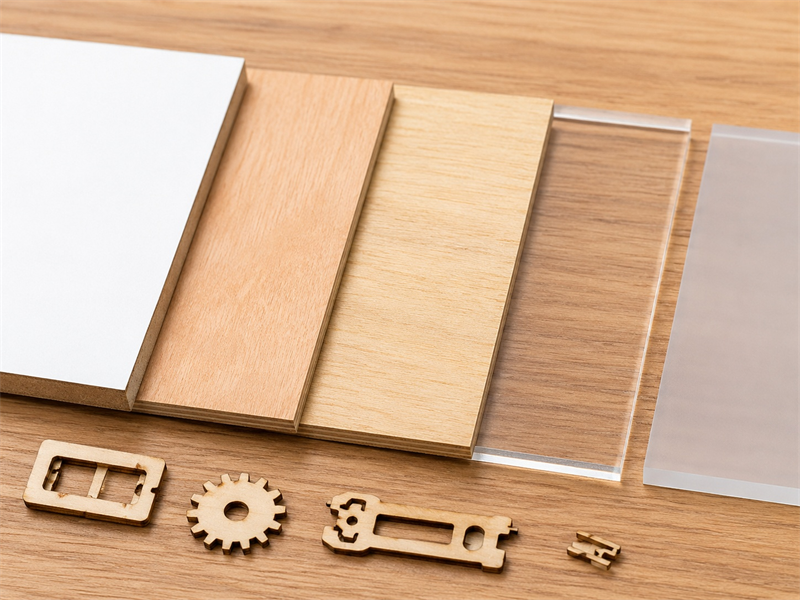
Material and surface finish strongly influence how the product is perceived in the market.
A product aimed at a premium gift or decorative channel may require a smoother surface, better visual finish, finer detail treatment, and stronger packaging presentation. A product aimed at a broader market may need a more cost-efficient material and finishing approach while still keeping a clean and reliable appearance.
This is also important in custom wooden model kits and OEM wooden DIY kits, where the buyer may want to balance uniqueness with practical manufacturing. Some products benefit from stronger graphic presentation, while others work better with a more natural wood look. Some product lines should feel collectible and refined, while others should feel approachable and commercially efficient.
A good product choice is not only about the shape of the design. It is also about choosing a level of material and finish that matches the brand positioning and the expected selling environment.
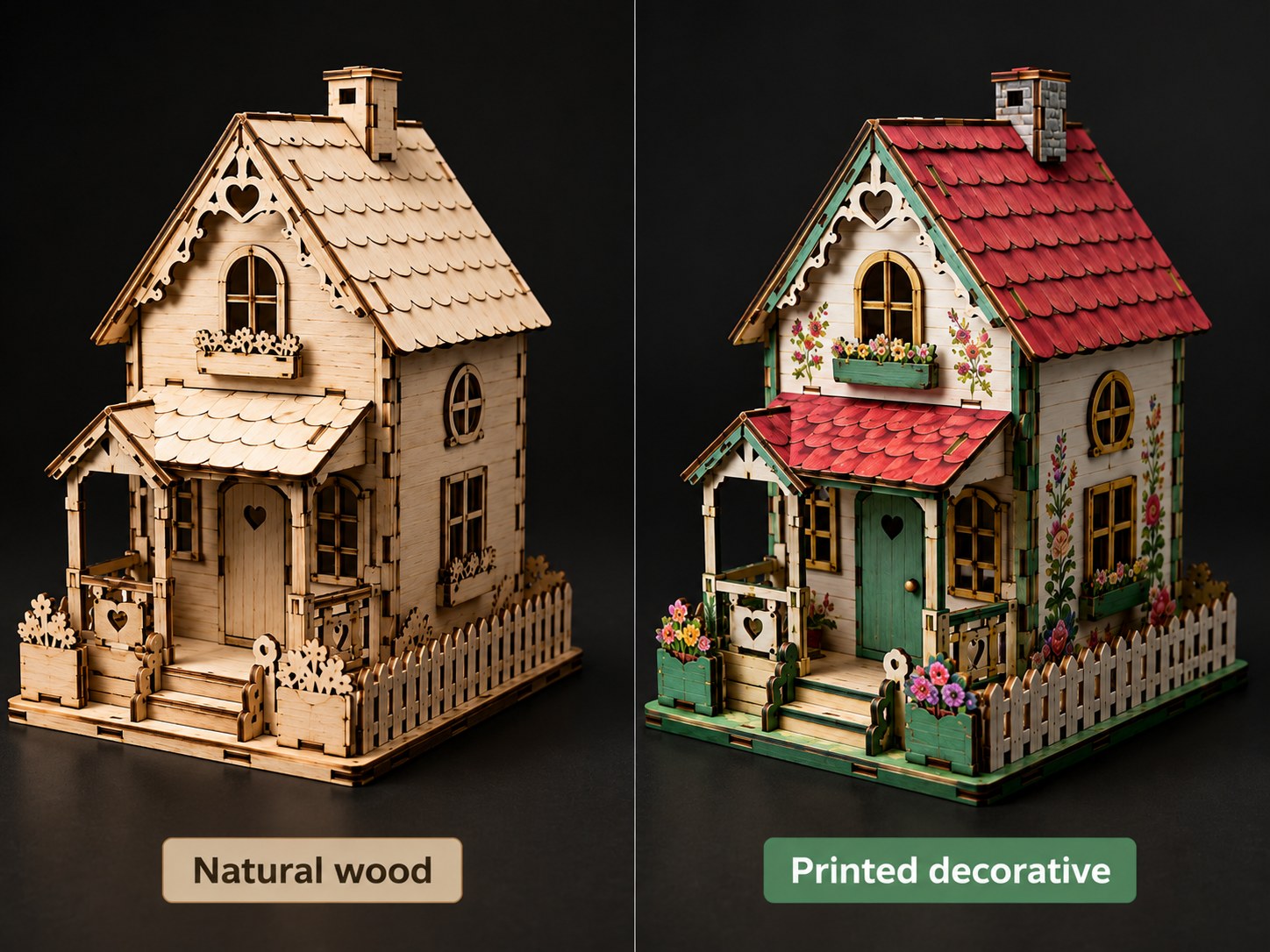
Step 5: Think About Assembly Experience and End-User Expectations
Assembly experience is one of the most overlooked parts of product selection.
A product may have strong visual appeal, but if the assembly process is too complicated for the target customer, it may lead to poor reviews or weak repeat sales. Buyers should think about how much time, patience, and interest the end customer is likely to have.
For example, casual gift buyers often prefer products with manageable part counts and a satisfying visual result. More experienced hobby users may accept higher complexity if the final model is detailed and distinctive. Parents and educational buyers may pay more attention to structure clarity, safety, and age suitability.
For this reason, choosing the right wooden DIY product is not only about design style. It is also about selecting the right assembly difficulty for the intended market.
Step 6: Choose a Factory That Can Support Growth, Not Just One Order
The final step is choosing the right manufacturing partner.
A good factory should do more than offer a product catalog. It should be able to explain product options clearly, support material and finish decisions, help evaluate packaging and pricing logic, and guide buyers toward products that are suitable for long-term sales rather than one-time sampling only.
Your site positions CraftODM as a supplier focused on OEM & ODM development for brands, wholesalers, and distributors, with support for custom design, logo and packaging customization, flexible materials and sizes, and a workflow that runs from idea and sampling to production and delivery. That kind of structure is important for buyers who want to build a product line instead of placing only a single test order.
For buyers evaluating long-term opportunities, the best partner is usually not just the cheapest supplier. It is the one who can help match the right product to the right market and support adjustment as the business grows.
Final Thoughts
Choosing the right product for your market is one of the most important decisions in wooden DIY business. The best choice is not always the most complex design or the lowest factory price. It is the product that best matches the target customer, retail channel, price level, material standard, and assembly experience.
For buyers working with a wooden DIY kits manufacturer, this decision becomes even more valuable when it supports future growth in OEM wooden DIY kits, custom wooden model kits, and differentiated product development. When the product fits the market, later stages such as sampling, packaging, branding, and mass production all become more effective.