



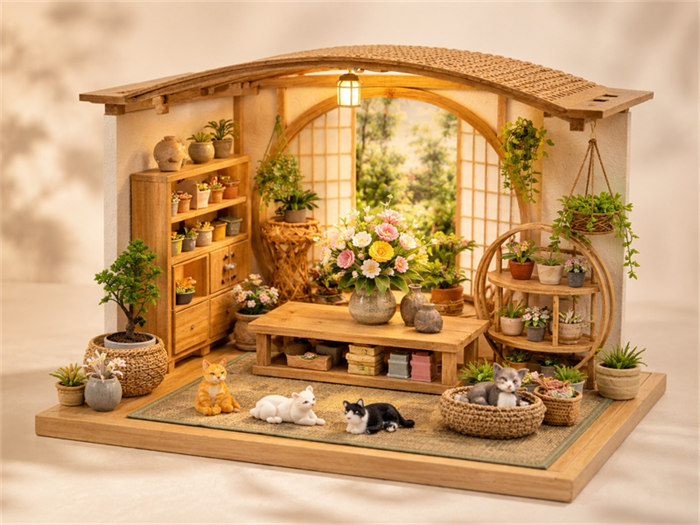
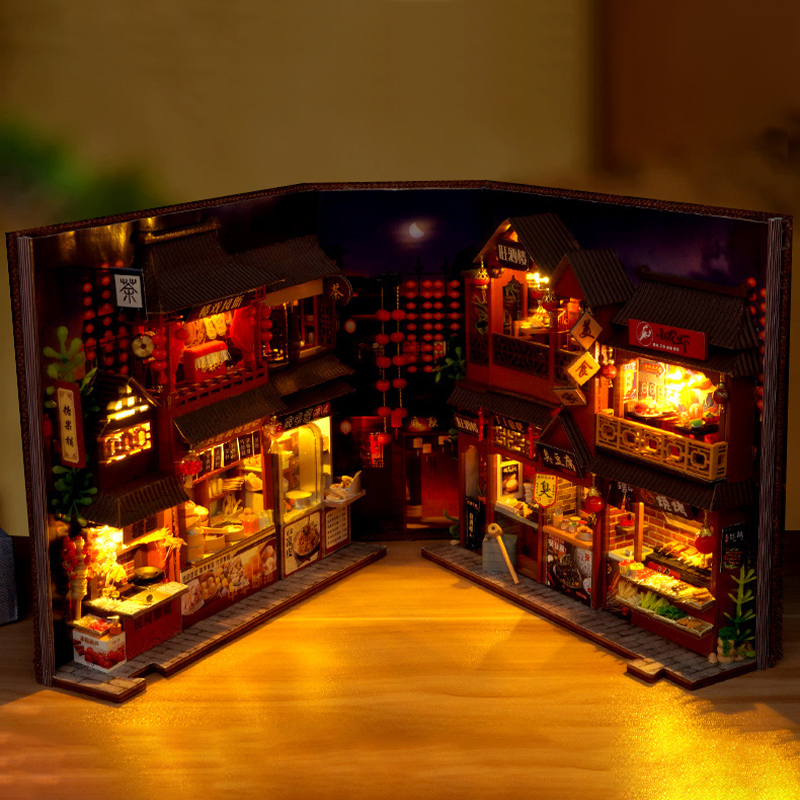

How a Wooden DIY Kits Manufacturer Controls Quality for OEM Wooden DIY Kits
Why Quality Control Matters in Wooden DIY Manufacturing
For B2B buyers, product quality is never judged by appearance alone. A professional wooden DIY kits manufacturer must control much more than the final look of a product. In real production, quality means stable materials, accurate cutting, clean printing, proper fitting, complete packaging, and consistent bulk output. This is especially important for OEM wooden DIY kits and custom wooden model kits, where repeatability matters as much as creativity.
Wooden DIY products are made from multiple flat parts that must work together as one complete item. If the material is unstable, the slots are inaccurate, the printing is unclear, or the packaging is incomplete, the final customer experience will be affected. For buyers, this is not only a product issue. It is a business issue that affects returns, customer satisfaction, and repeat orders.
That is why quality control should not be treated as a final inspection only. It should begin with materials, continue through cutting and finishing, and end only when the packed product is ready for shipment.
Why Buyers Pay Attention to Factory Quality Systems
When buyers choose a factory, they are not only asking whether one sample looks good. They are asking whether the same level of quality can be delivered again and again in real production.
This is where factory systems become important. A reliable wooden puzzle manufacturer should be able to manage material selection, thickness control, cutting precision, surface finishing, assembly testing, and packaging inspection in a structured way. For long-term OEM and ODM cooperation, these details are often more important than a single attractive product photo.
For many B2B customers, quality control is one of the clearest ways to judge whether a factory is truly capable of supporting long-term projects.

Step 1: Starting with Material Quality
Quality control begins before production starts. The first step is choosing the right material for the right product.
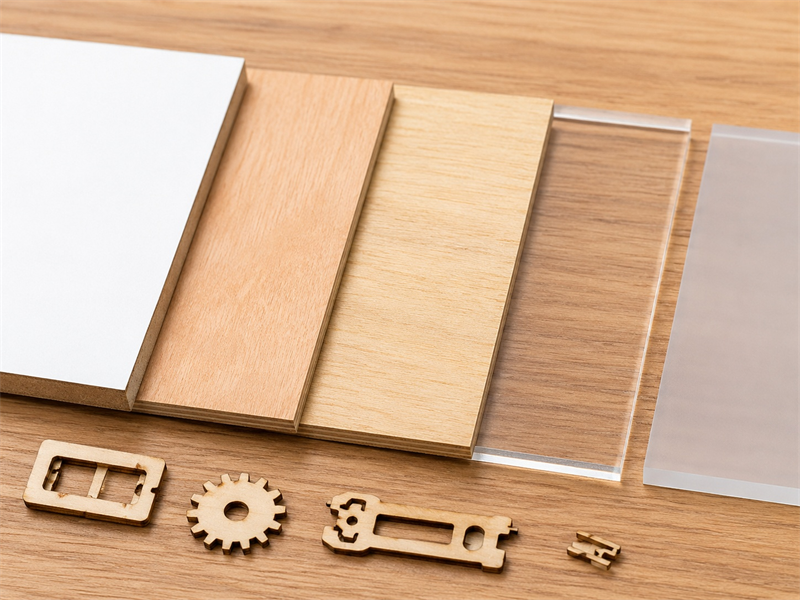
In wooden DIY manufacturing, different products may use different materials depending on structure, cost target, visual effect, and market positioning. MDF is often suitable for products that require stable flat surfaces and strong printed presentation. Plywood options such as basswood and poplar can offer different balances between stability, surface feel, and cost. For products with transparent or light-transmitting parts, acrylic and PVC may also be used according to design needs.
For B2B buyers, this stage matters because the wrong material choice can create problems later in cutting, fitting, surface finishing, or packaging. Good quality starts with using materials that match the product instead of forcing one material solution onto every design.
Step 2: Controlling Thickness and Stability
One practical challenge in wooden DIY manufacturing is material consistency. Thickness accuracy and board stability directly affect product fitting and assembly performance.
For decorative products, normal production tolerance may often be acceptable. But for custom wooden model kits with gears, moving structures, or more demanding fitting logic, thickness precision becomes much more important. If thickness varies too much, parts may fit too tightly, too loosely, or create instability in the final structure.
Board stability also matters. If a material is more likely to deform, the final product may not assemble smoothly or maintain its intended shape. This is why thickness control and stability checking are essential parts of quality management, especially for more complex OEM projects.

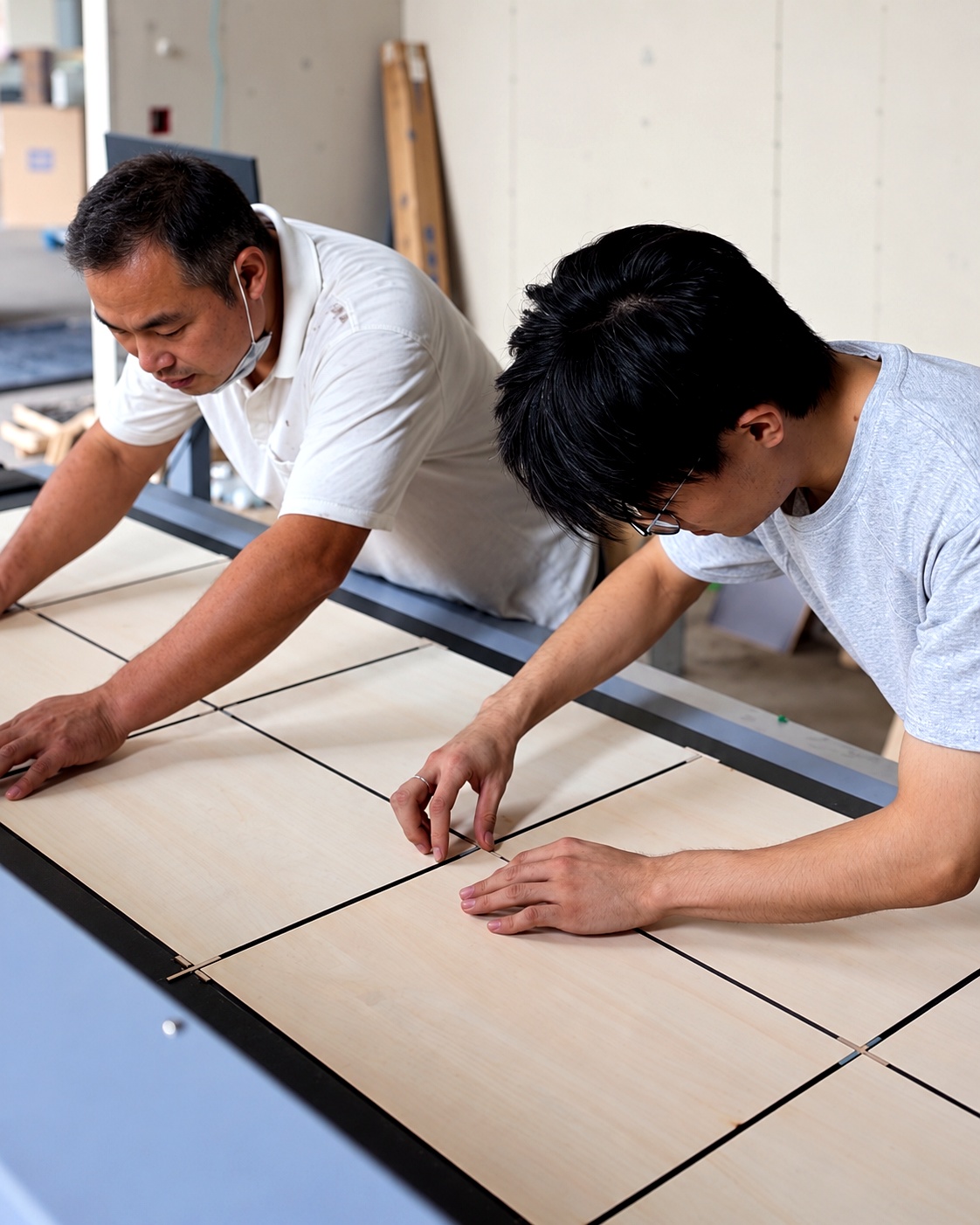
Step 3: Ensuring Cutting Accuracy
In wooden DIY production, cutting accuracy affects almost everything. It determines slot fit, structural balance, edge cleanliness, and the overall assembly experience.
If the design does not leave proper allowance for cutting, the parts may not fit correctly. If part size is not well planned, production, packaging, and product presentation may all be affected. If edges are rough or cut quality is inconsistent, the final item may feel less refined in the customer’s hands.
For a professional wooden DIY kits manufacturer, cutting is not just a production step. It is one of the most important quality checkpoints in the entire process. Accurate cutting helps ensure the product looks professional, assembles smoothly, and performs consistently across production batches.
Step 4: Checking Surface Finishing and Printing Quality
Surface finishing is one of the first quality signals buyers notice. But real surface quality is not only about brighter colors. It is about whether the chosen process matches the product’s design and market positioning.
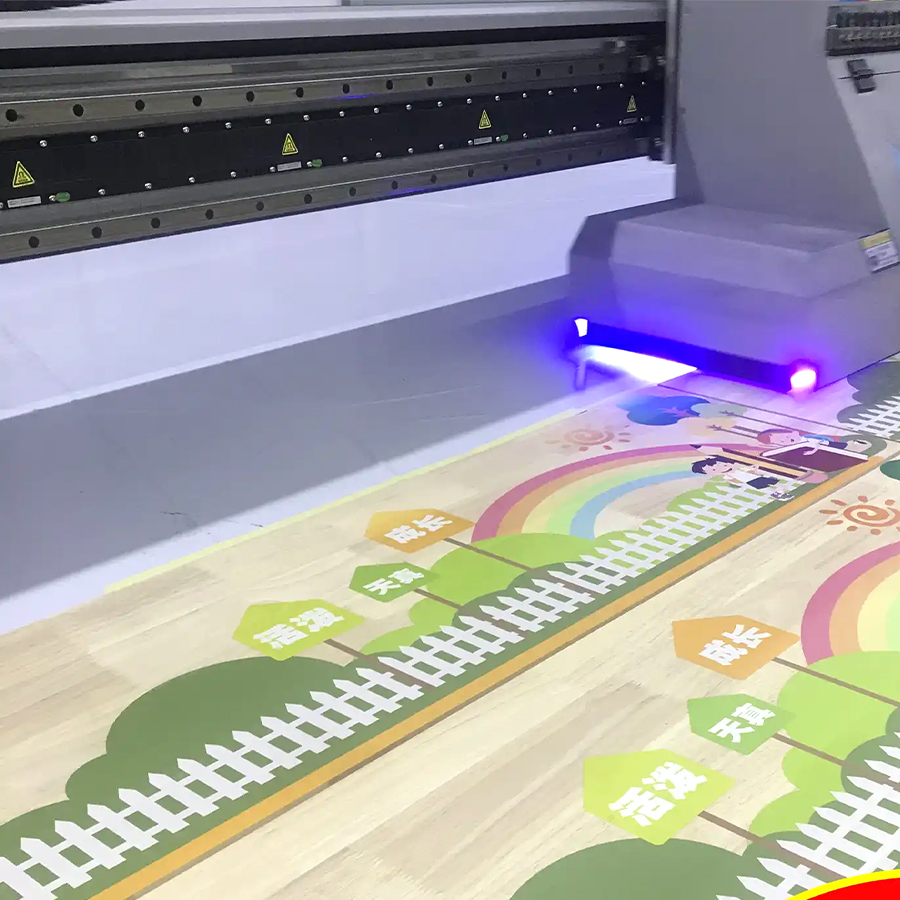
For wooden DIY products, common finishing methods may include UV printing, sticker lamination, or other coloring methods depending on the project. UV printing is useful when the product needs vivid color, detailed artwork, and strong pattern restoration. Sticker finishing can be a better option when a wood-grain look is preferred or when the target cost needs to remain more controlled.
Quality control at this stage includes checking print clarity, color consistency, alignment, surface cleanliness, and whether the finishing method supports the final product image. In some cases, process order also matters. For example, certain designs with large white areas may benefit from a different print sequence to reduce visible cutting marks and improve final presentation.
Step 5: Verifying Assembly Performance
A wooden DIY product is only successful if it can be assembled properly. That is why assembly testing is one of the most important parts of quality inspection.
Even when all the parts look correct individually, the actual assembly process may reveal hidden issues. Slots may be too tight or too loose. The structure may not feel stable enough. The assembly order may be confusing. Some details may look good on screen but become impractical in physical production.
For OEM wooden DIY kits, assembly testing helps confirm whether the product is truly ready for the market. It is also one of the key ways a factory can identify small issues early, before they turn into larger problems in bulk production.
Step 6: Inspecting Packaging and Delivery Readiness
For B2B buyers, packaging is part of the product. It affects protection, presentation, shipping efficiency, and the final customer impression.
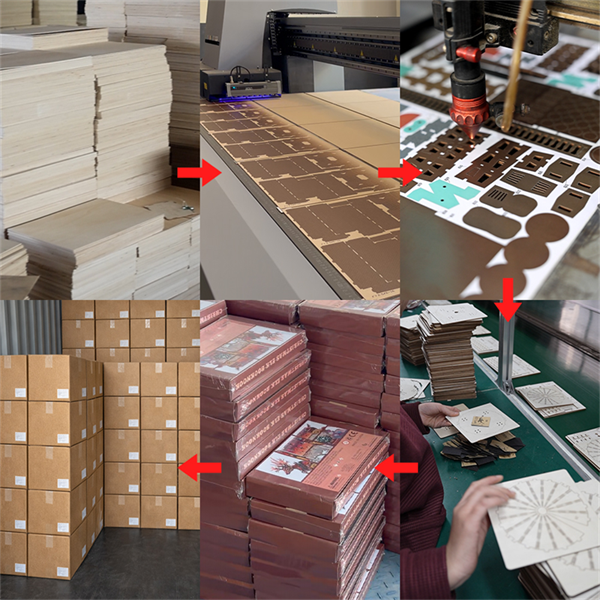
A complete wooden DIY package usually includes product parts, accessories, and an instruction manual packed into a box, followed by shrink wrapping and outer carton packing for shipment. But quality control at this stage is not only about whether everything is inside the box. It also includes checking packaging completeness, organization, label correctness, and whether the packaging size is suitable for retail display and transport.
A serious miniature house kit manufacturer or wooden puzzle manufacturer should treat packaging inspection as part of the quality system, not as an afterthought. A well-made product can still lose value if packaging is careless or incomplete.

Final Thoughts
For B2B buyers, quality control is one of the clearest signs of true factory capability. A dependable wooden DIY kits manufacturer does not wait until the final carton is sealed to start thinking about quality. Quality begins with materials, continues through thickness control, cutting, finishing, assembly, and packaging, and ends only when the product is ready for delivery.
That is why strong quality control matters so much in OEM wooden DIY kits and custom wooden model kits. In the end, quality is what turns a good sample into a stable product line, and a first order into a long-term business relationship.