



How to Prepare Wooden DIY Products for Different Sales Channels
Why Sales Channels Matter in Wooden DIY Product Selection
For B2B buyers, choosing a wooden DIY product is not only about selecting an attractive design. A product must also fit the sales channel where it will be sold. Gift shops, bookstores, hobby stores, educational channels, e-commerce platforms, wholesalers, and distributors may all need different product directions, price levels, packaging styles, and assembly experiences.
This is why product selection should always begin with the market. A product that works well in a bookstore may not be the best choice for a toy distributor. A complex model that appeals to hobby customers may be too difficult for casual gift buyers. A low-cost product that works for broad wholesale channels may not have enough storytelling value for cultural shops.
For buyers working with a wooden DIY kits manufacturer, understanding the sales channel helps make better decisions from the beginning. It affects product type, design complexity, material choice, surface finish, packaging, and even the way the product should be presented in photos or catalogs.
Why One Product Does Not Fit Every Market
Wooden DIY products are flexible, but that does not mean one product can serve every market equally well.
Different channels have different customer expectations. Some customers want a product that looks beautiful and is easy to purchase as a gift. Some want a detailed building experience. Some want educational value. Some want a product that looks premium on a bookstore shelf. Others need a stable product line that can support wholesale orders and repeat sales.
That is why the same design may need different adjustments depending on the buyer’s business model. A professional factory should not only ask what product the buyer likes, but also where the buyer plans to sell it and who the final customer will be.
Step 1: Gift Shops Need Strong Visual Appeal and Easy Purchase Decisions
Gift shops usually need products that are easy to understand, visually attractive, and suitable for impulse purchase or seasonal gifting. The customer may not spend a long time comparing technical details, so the product needs to communicate its value quickly.
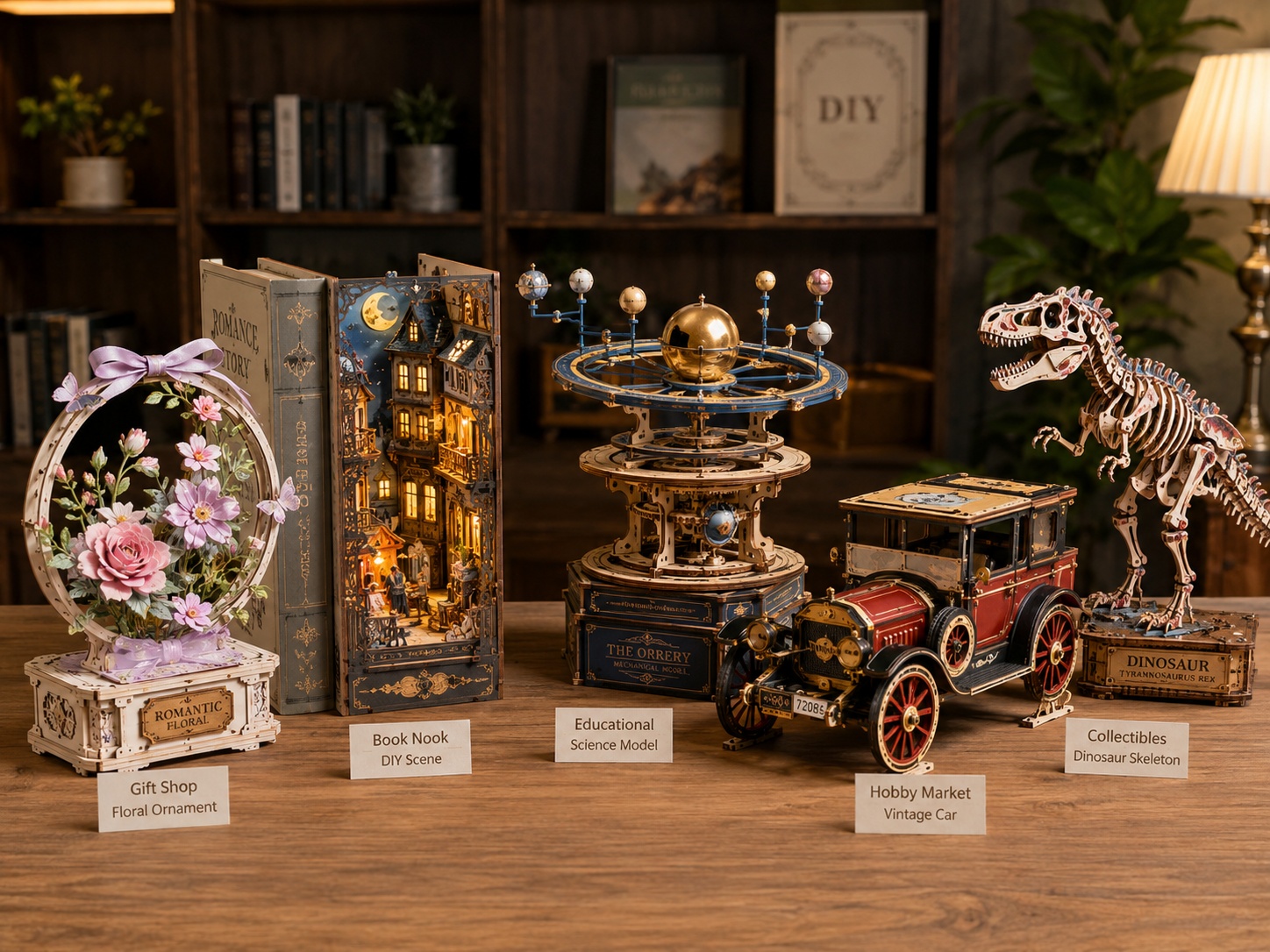
For this channel, decorative wooden DIY products, floral ornaments, music boxes, seasonal themes, and elegant gift-ready models can work well. The product should have strong shelf appeal and a clear emotional or decorative purpose. Assembly should usually be manageable, because many gift buyers are not professional hobby users.
For buyers sourcing wooden DIY products for gift shops, the key is to balance beauty, simplicity, and perceived value. A product does not need to be overly complex to be successful. It needs to look attractive, feel giftable, and match the expected retail price.
Step 2: Bookstores and Cultural Shops Prefer Storytelling Products
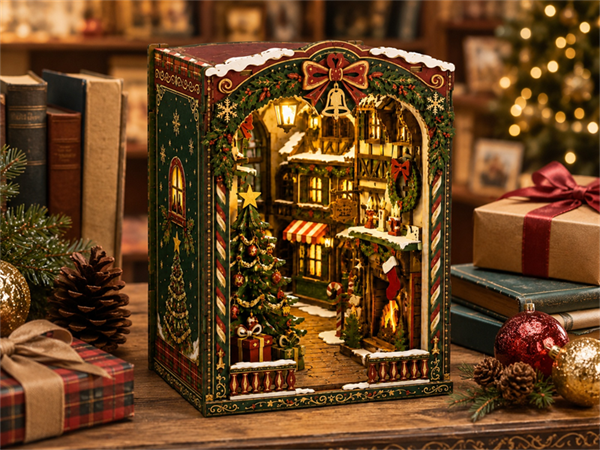
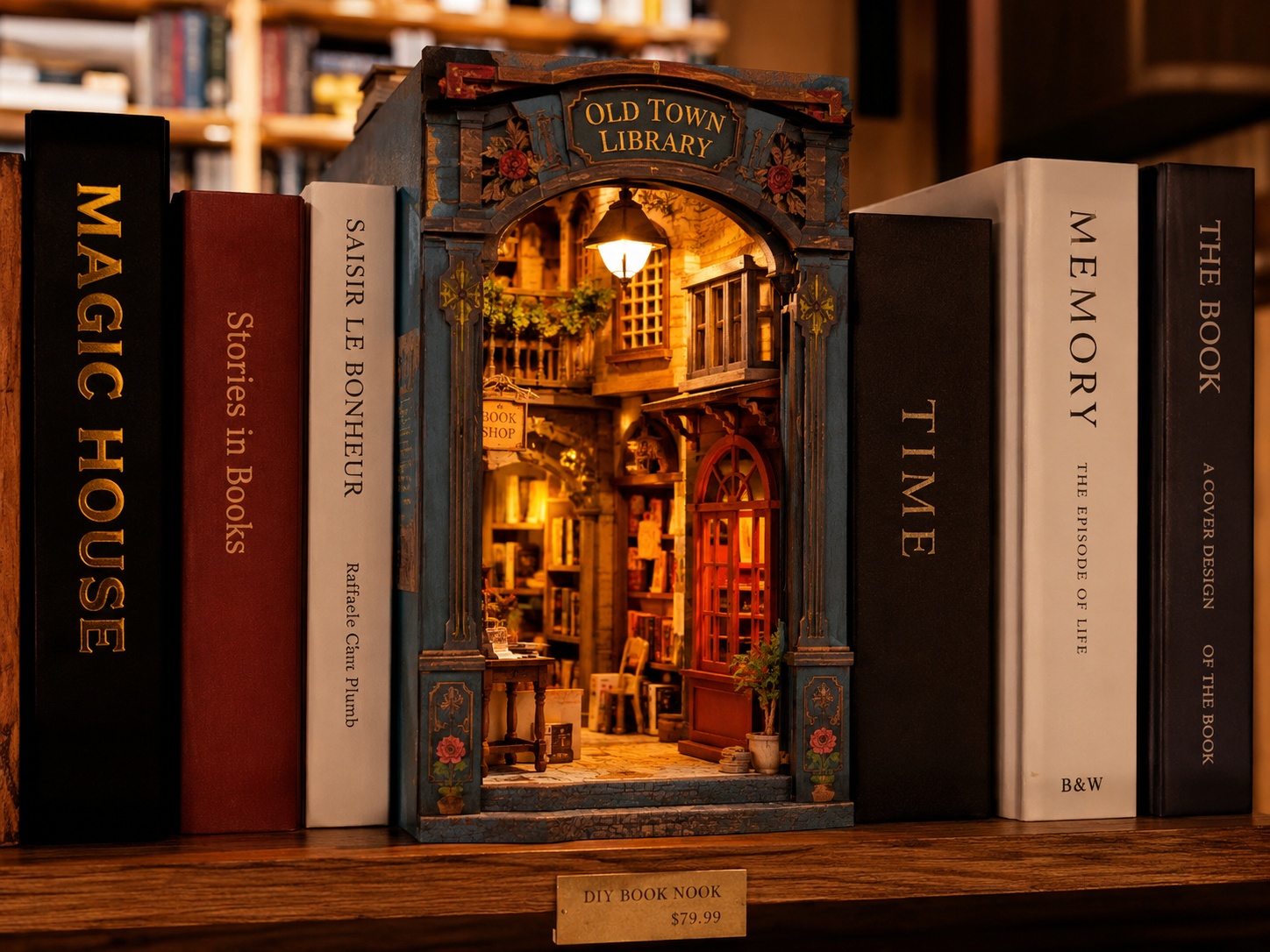
Bookstores, museum shops, cultural retailers, and creative lifestyle stores often prefer products with stronger storytelling value. These channels usually do well with book nooks, architectural themes, miniature scenes, cultural landmarks, literary-inspired designs, and products that connect with reading, travel, history, or local identity.
A book nook kit manufacturer should understand that this type of product is not only a wooden model. It is also a small visual story. The product should create atmosphere, detail, and emotional connection. Lighting, layered depth, printed surfaces, and miniature objects can all help increase the perceived value.
For this channel, buyers should focus less on generic product shape and more on theme development. A good product should feel like it belongs on a shelf, inside a bookstore, or in a cultural gift collection.
Step 3: Educational Channels Need Safety, Clarity, and Learning Value
Educational channels usually have different priorities from gift or hobby markets. Buyers in this area may care more about age suitability, assembly clarity, learning value, safety, and whether the product supports hands-on thinking.
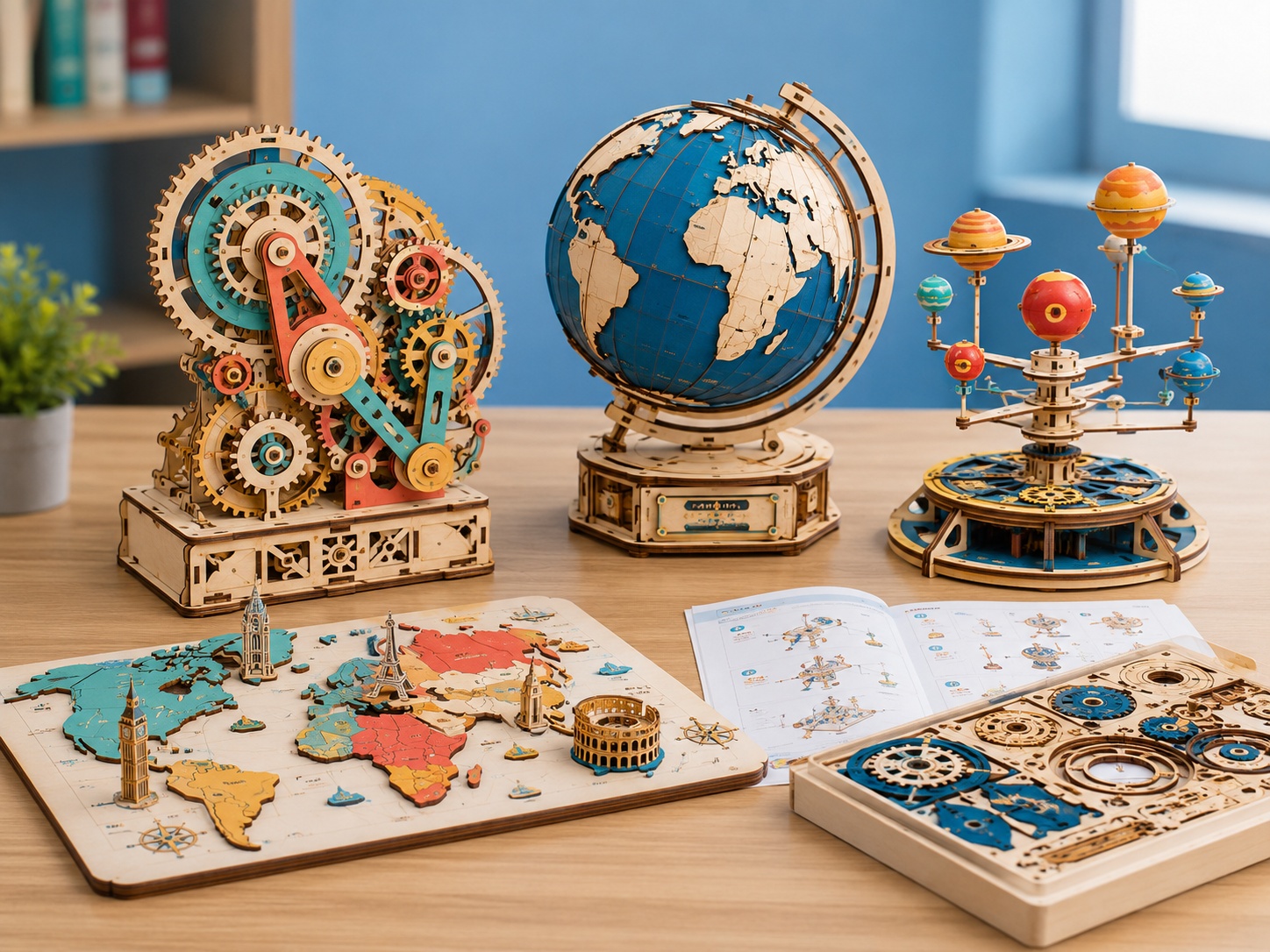
Wooden puzzles, STEM models, mechanical structures, maps, simple architectural models, and educational assembly kits can be suitable directions. However, the product should not become too confusing or fragile. Instructions should be clear, parts should be organized, and the final learning value should be easy to explain.
For OEM wooden DIY kits aimed at educational channels, it is important to think about the user group from the beginning. A product for young children, school use, family learning, or science education may each require a different level of complexity, material standard, and packaging explanation.
Step 4: Hobby and Craft Markets Can Accept More Complexity
Hobby and craft customers are often more willing to spend time on assembly. They may enjoy detailed structures, moving mechanisms, layered parts, and more challenging building processes. For this channel, complexity can become part of the product value.
This does not mean the product can be difficult without reason. Even hobby products still need good fitting, clear instructions, stable structure, and a satisfying final result. But compared with casual gift buyers, hobby users are usually more willing to accept higher part counts and longer assembly time if the final model feels impressive.
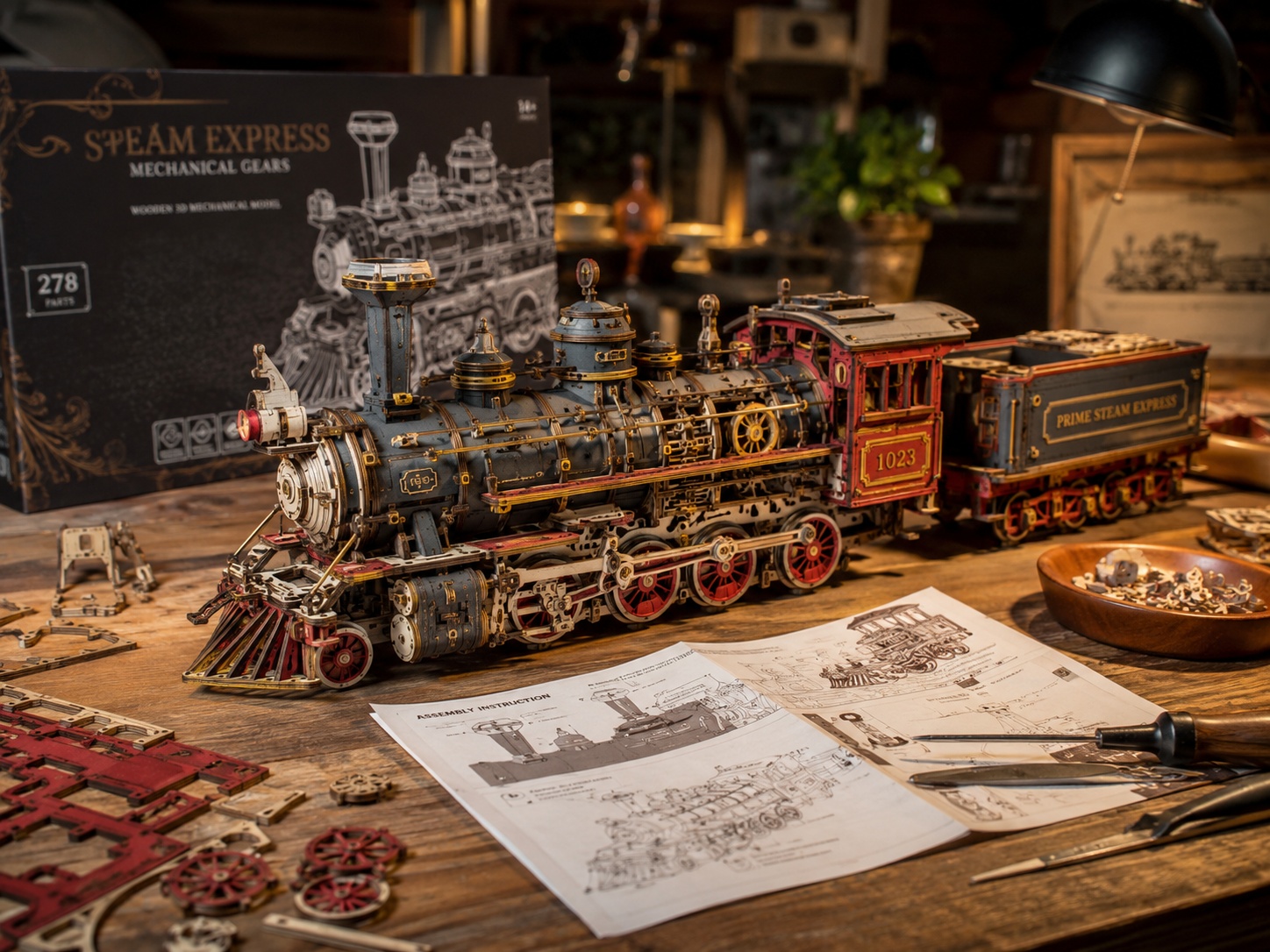
Custom wooden model kits for hobby markets can include vehicles, mechanical models, architectural structures, complex miniature scenes, or collectible display pieces. These products should show clear craftsmanship and enough detail to justify their higher assembly effort and price level.
Step 5: E-Commerce Products Need Better Photo Appeal and Shipping Efficiency
For e-commerce channels, product photos, packaging size, shipping cost, and customer reviews are extremely important. A product may look good in real life, but it also needs to communicate value clearly through images and online listings.
Buyers selling online should think about how the product appears in the main image, detail images, assembly process images, and finished display photos. The product should have clear visual selling points. At the same time, packaging should be efficient enough to support shipping without creating unnecessary freight pressure or damage risk.
For e-commerce wooden DIY products, assembly experience also affects reviews. If the product looks attractive but is too difficult for the target customer, negative feedback may appear quickly. This is why online sellers should balance visual impact with practical assembly difficulty.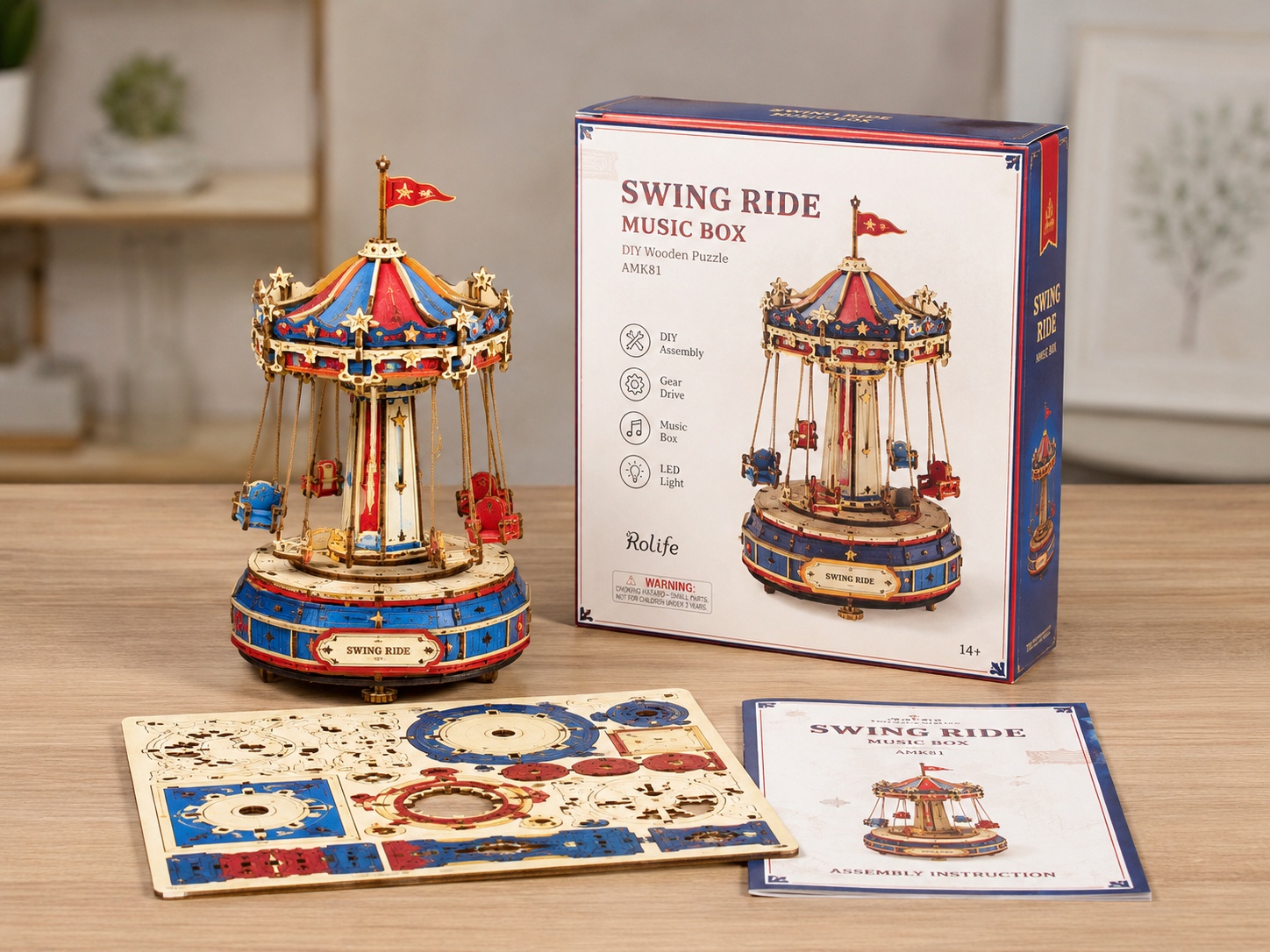
Step 6: Wholesale and Distributor Channels Need Product Line Planning
Wholesalers and distributors often think beyond one product. They usually need product lines that can cover different price levels, themes, and customer groups. A single attractive product may help open discussion, but a complete assortment is often more useful for long-term cooperation.
For this type of buyer, product consistency matters. The factory should be able to support stable quality, repeat production, reasonable MOQ planning, packaging consistency, and future product expansion. Product categories can be organized by theme, size, difficulty, price level, or sales season.
A wooden DIY kits manufacturer that understands wholesale and distributor needs should help buyers think in terms of product series, not just individual items. This makes it easier to build catalogs, test markets, and develop repeat orders over time.
Final Thoughts
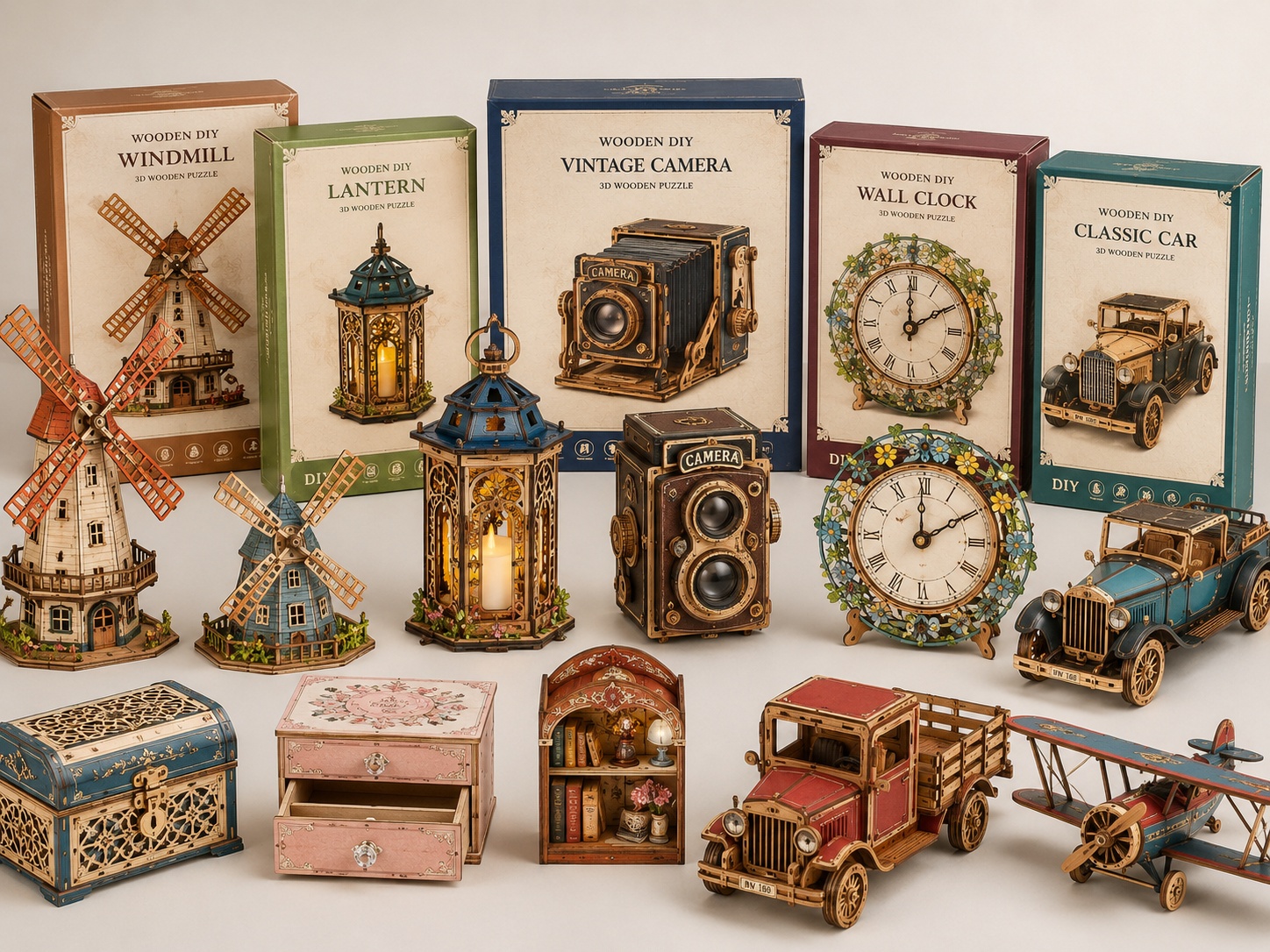
Different sales channels need different wooden DIY product strategies. A product for gift shops should be visually appealing and easy to understand. A product for bookstores should have storytelling value. Educational channels need clarity and learning purpose. Hobby markets can accept more complexity. E-commerce products need strong photo appeal and shipping efficiency. Wholesale and distributor channels need product line planning.
For B2B buyers, the best product is not always the most complex or the lowest-cost option. It is the product that best matches the sales channel, target customer, price level, and long-term business plan.
Working with an experienced wooden DIY kits manufacturer can help buyers evaluate these factors earlier and develop products that are more suitable for real market sales.