


What Buyers Should Know About Materials for Wooden DIY Kits
Why Materials Matter in Wooden DIY Product Development
For B2B buyers, material choice is one of the most important decisions in wooden DIY product development. Many customers first focus on design, theme, or packaging, but the material behind the product often has a direct influence on appearance, stability, printing effect, assembly experience, and final cost.
In wooden DIY products, materials are not just a technical issue. They are part of the product’s commercial logic. The right material can help create a cleaner appearance, smoother assembly, and more suitable price level for the target market. The wrong material can make even a good design harder to produce, harder to package, or less attractive in the final market.
That is why buyers working with a wooden DIY kits manufacturer should understand at least the basic differences between common board materials and transparent sheet materials before moving into sampling or bulk production.
Why the Same Design Can Feel Very Different with Different Materials
Two products with the same structure can still create very different results depending on the material used. Some materials are better for colorful printed surfaces. Some are better for a more natural wood texture. Some offer stronger stability, while others are more suitable for cost control.
For custom wooden model kits, the choice of material affects more than just how the product looks in photos. It also affects cutting quality, slot fitting, part strength, edge feel, and the customer’s perception of quality after assembly. This is especially important for buyers who want to create products that are not only visually attractive, but also commercially workable and repeatable in real production.
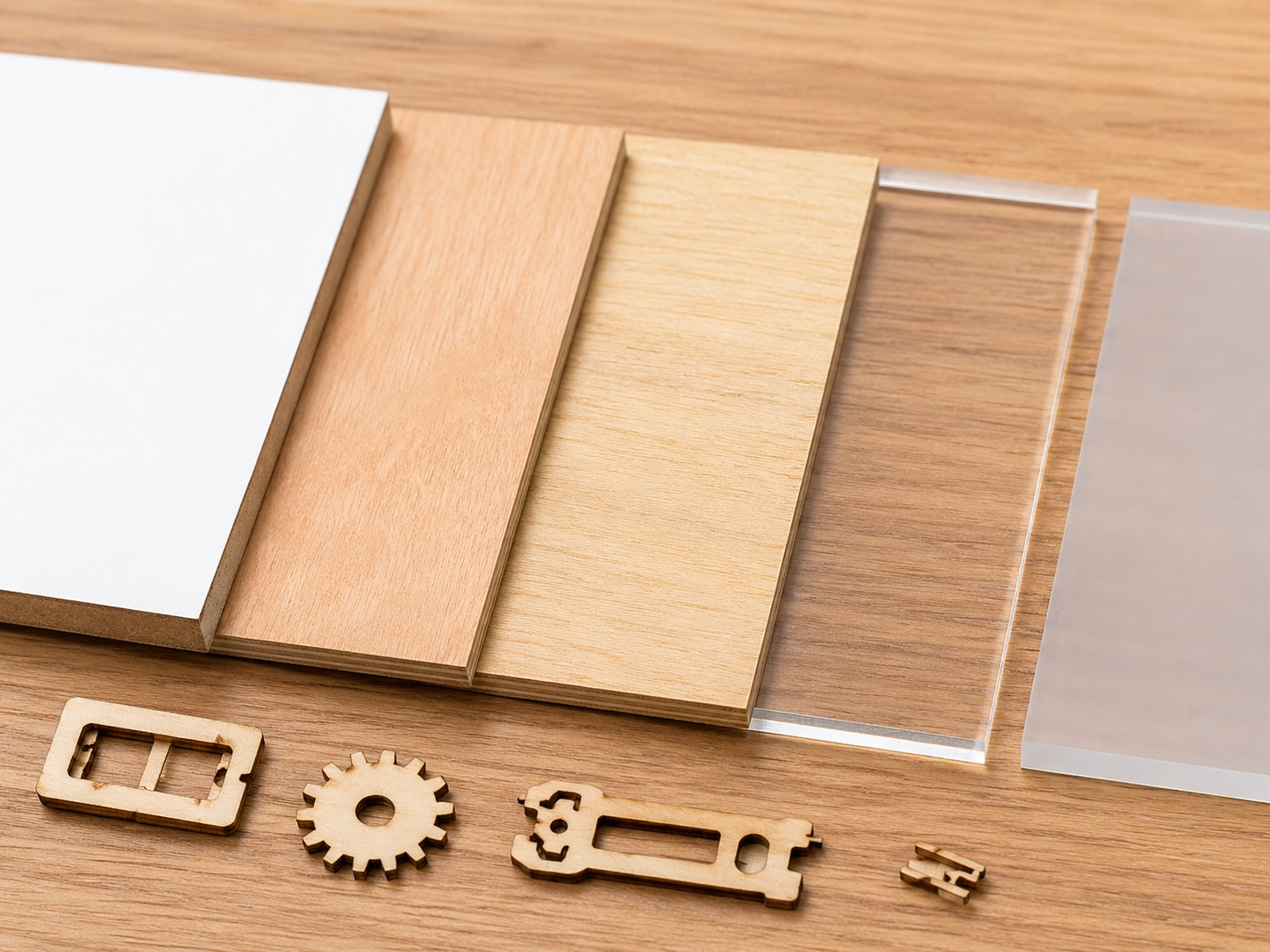
Step 1: Understand the Main Material Categories
The first step is to understand that wooden DIY products may use more than one type of material depending on the design.
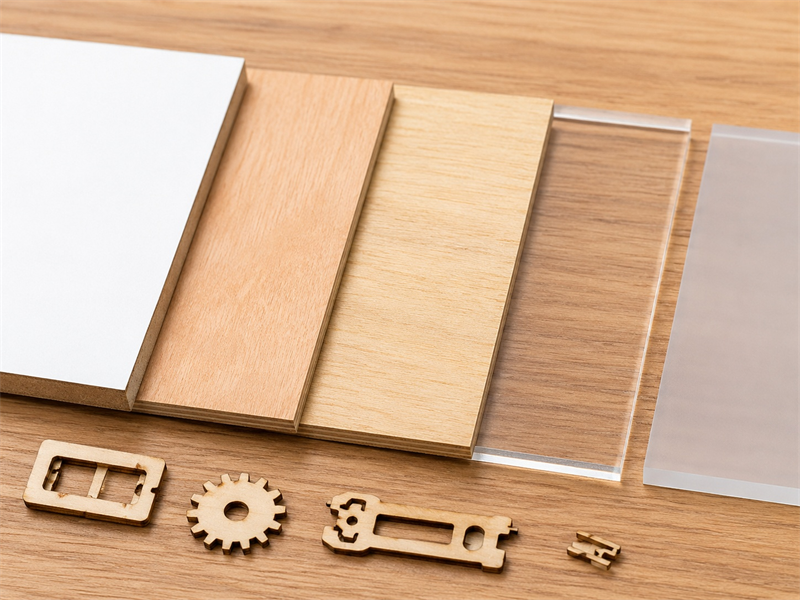
In general, common materials in this category include MDF, plywood, and in some projects, transparent sheet materials such as acrylic or PVC. Even within plywood, there can be meaningful differences depending on the wood species and the intended use.
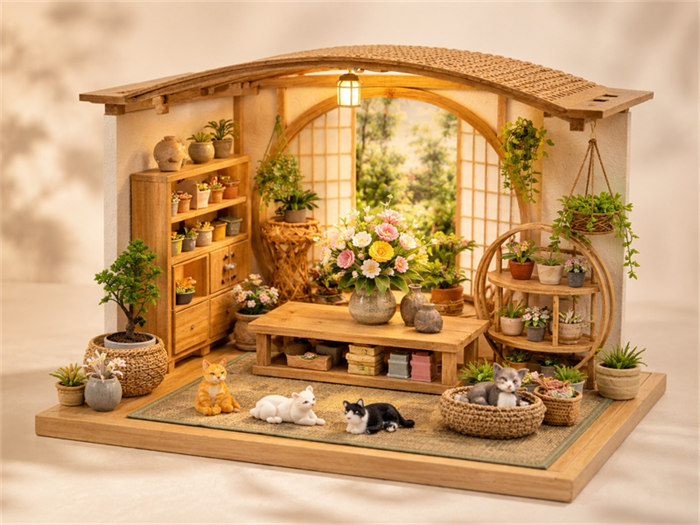
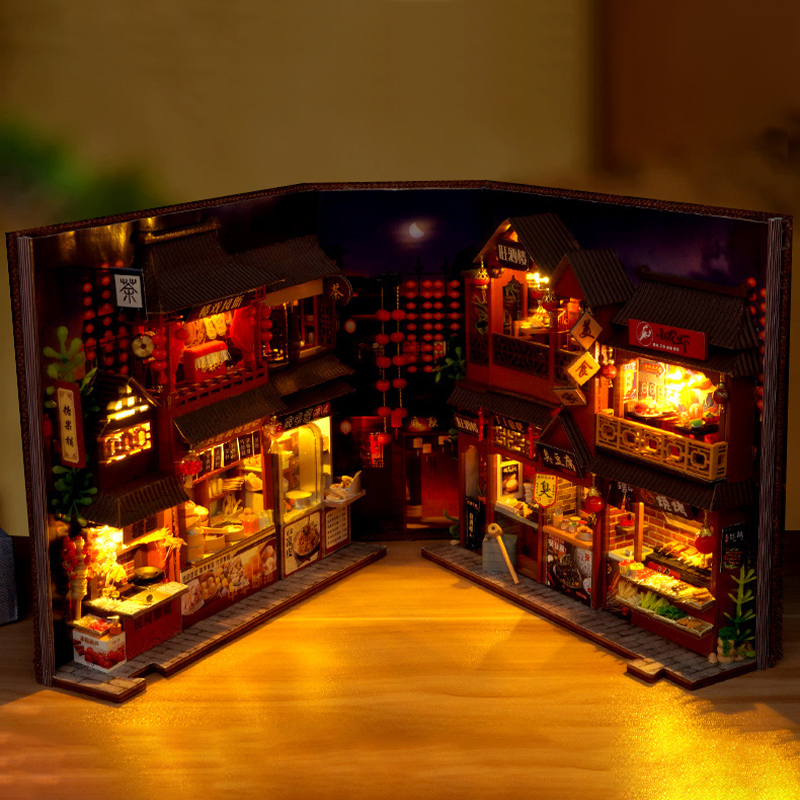
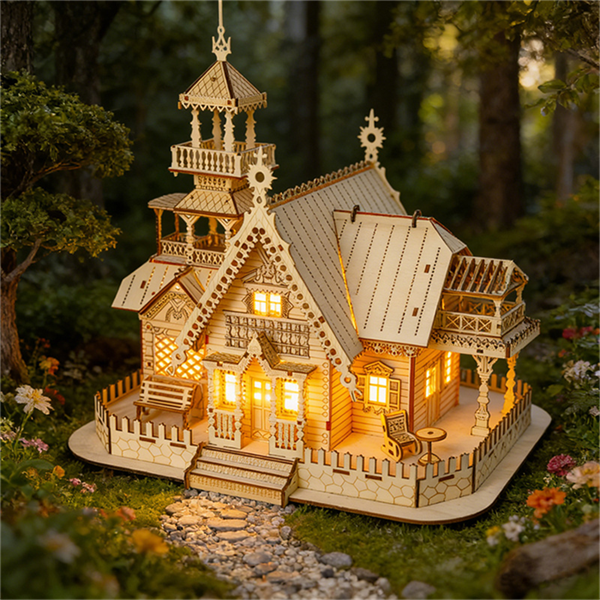
For B2B buyers, this means material choice should be based on product goals rather than habit. A decorative miniature house, an educational puzzle, and a layered display product may all require different material logic even if they belong to the same wooden DIY category.
Step 2: Know When MDF Makes Sense
MDF is often used when a product needs a stable flat surface and strong printed presentation. It can work especially well for products that rely on colorful patterns, graphic themes, or decorative surface effects.
For example, if a design includes a large amount of surface artwork, MDF can be a practical choice because it supports a cleaner printing result. In some cases, boards may also be prepared with a white base layer to help printed colors appear brighter and closer to the original artwork.
MDF can also be used together with decorative paper or sticker finishing. For some products, especially houses or decorative scene models, a wood-grain sticker surface may create a more convincing natural appearance than full-surface printing while also helping control cost. For buyers evaluating OEM wooden DIY kits, this can be a practical way to balance design effect and production budget.
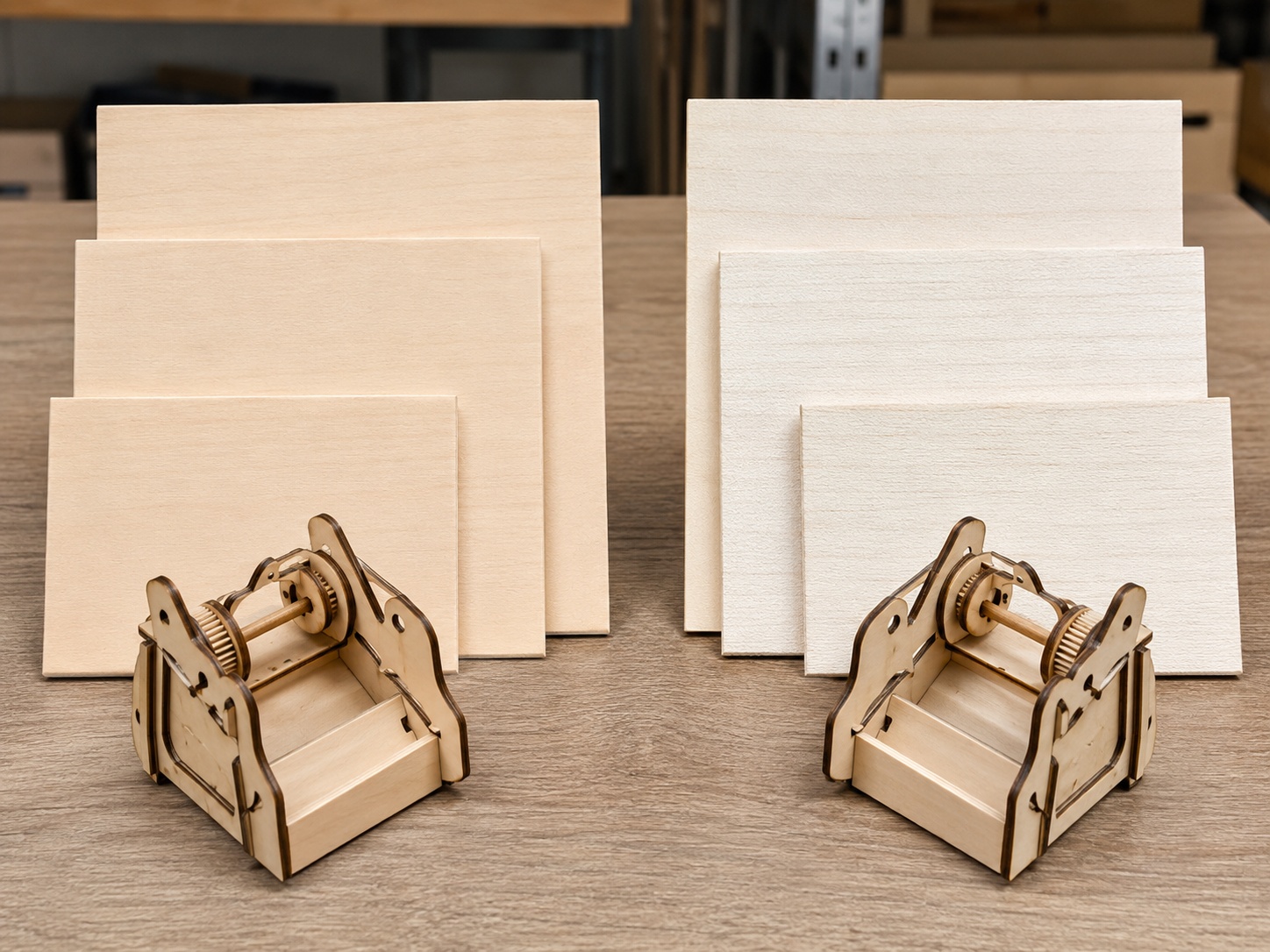
Step 3: Understand the Difference Between Basswood and Poplar Plywood
Plywood is one of the most common material categories in wooden DIY products, but not all plywood feels the same.
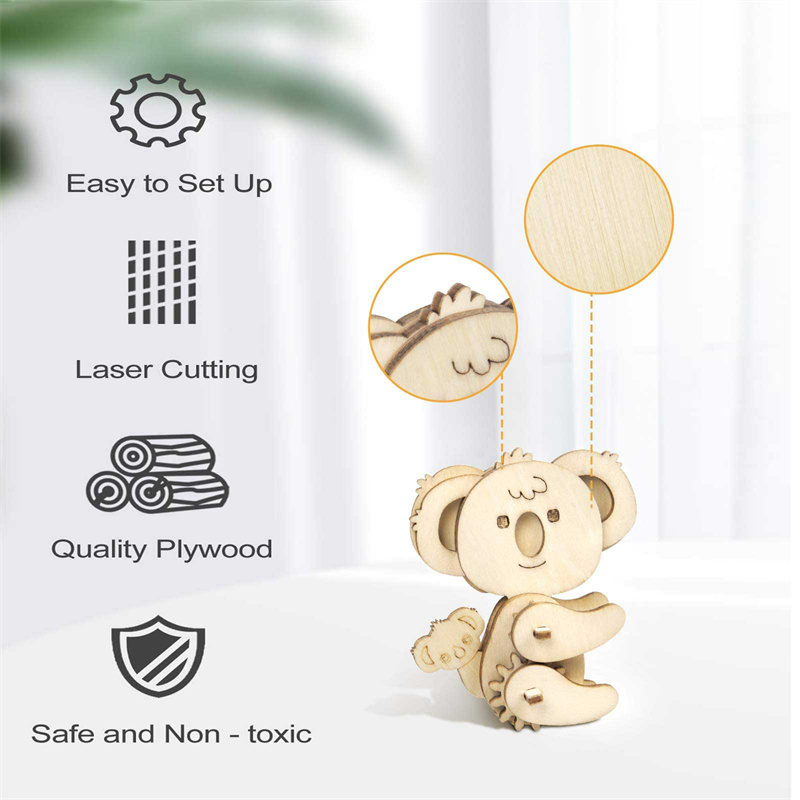
Basswood plywood is often seen as a more premium option. It is generally valued for better stability, finer grain, and a smoother surface feel. For products where surface appearance and assembly experience matter more, basswood can help create a more refined result.
Poplar plywood is often lighter in color and more economical. It is still widely used in wooden puzzle manufacturer projects and standard wooden DIY production because it provides a practical balance between performance and cost. For many B2B product lines, poplar plywood remains a commercially effective choice when the target market is more price-sensitive.
This means buyers should not think only in terms of “better” or “worse.” The more useful question is which plywood option is more suitable for the product’s positioning, expected selling price, and quality target.
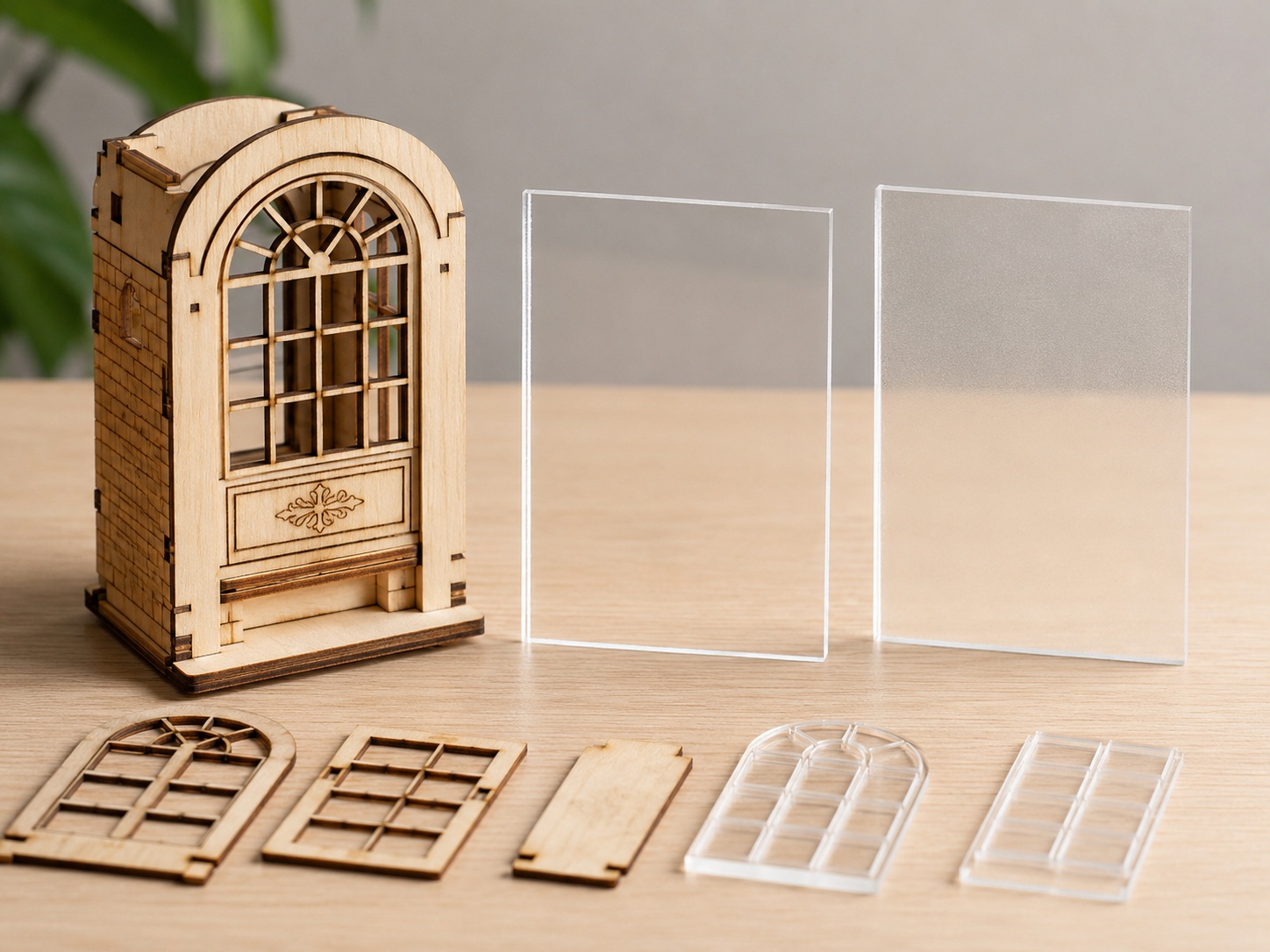
Step 4: Consider Acrylic and PVC for Transparent or Light-Transmitting Parts
Not every wooden DIY product is made only from wood-based boards. Some designs also use transparent materials to improve visual effect, layering, or light transmission.
Acrylic and PVC are two common options in this situation. PVC is often more cost-effective, while acrylic usually offers better transparency and a cleaner visual effect. This can matter in products with windows, decorative inserts, or light-related design elements.
For B2B buyers, the choice here is usually a balance between presentation and budget. If the product needs a stronger premium feel or clearer transparency, acrylic may be more suitable. If the design only needs a functional transparent element at a more controlled cost, PVC may be enough.
Step 5: Match Material Choice with Surface Finishing
Material choice and surface finishing should always be considered together.
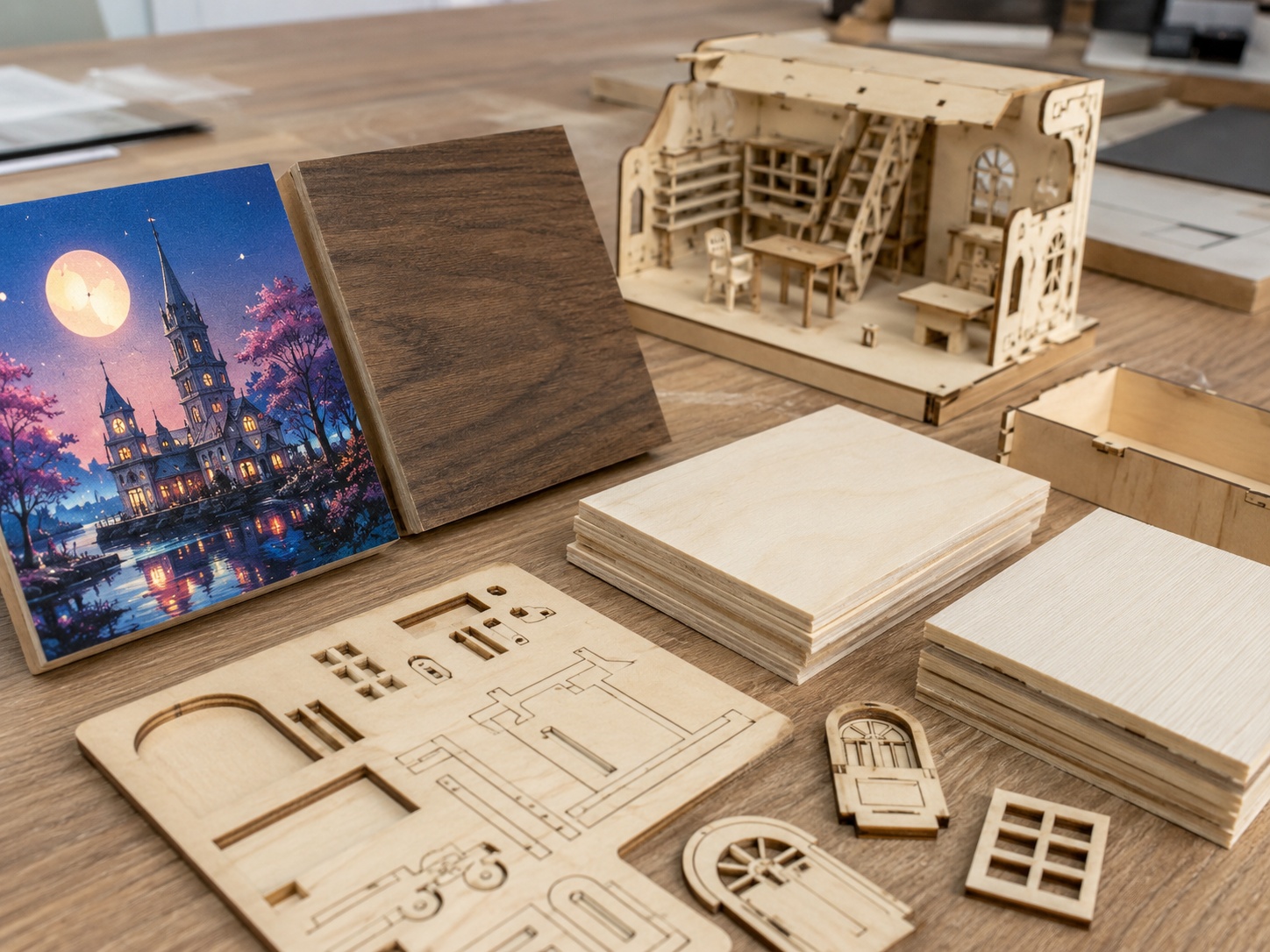
Some materials work better with UV printing. Others are more effective when combined with wood-grain paper or simpler decorative treatment. In some projects, the visual result depends less on the base material itself and more on how the material and finishing method work together.
This is why a good wooden DIY kits manufacturer usually does not discuss materials in isolation. The more useful discussion is whether the material supports the intended surface result, product positioning, and production efficiency. A product meant for a premium decorative market may need a different combination than one designed for broader retail distribution.
For custom wooden model kits, this stage is especially important because a mismatch between board material and surface process can make the product feel less coherent, even if the design itself is strong.
Step 6: Choose Materials Based on Market Needs, Not Just Factory Preference
The final step is to remember that material choice should serve the market.
A product for bookstores, gift shops, or boutique channels may benefit from smoother surfaces and a more refined appearance. A broader wholesale product line may need to prioritize stable production and better cost control. A themed educational product may need a simpler material solution that supports practical use and easy repeat production.
This is why material choice should be part of a larger product discussion that includes design, price target, assembly experience, and sales channel. The best material is not always the most expensive one. It is the one that fits the intended market most effectively.
For buyers working with a wooden puzzle manufacturer or wooden DIY kits manufacturer, understanding these differences early can make sampling faster, reduce unnecessary revisions, and help build products that are stronger both technically and commercially.
Final Thoughts
Materials play a much bigger role in wooden DIY products than many buyers expect. They affect how the product looks, how it feels, how it assembles, how it is priced, and how it performs in real production.
For B2B customers, understanding MDF, plywood, acrylic, PVC, and surface compatibility is an important step toward making better product decisions. When material choice matches the design goal and market positioning, the final product becomes easier to develop, easier to manufacture, and more likely to succeed in long-term sales.
In wooden DIY product development, better materials do not always mean higher cost. They mean better matching between product, process, and market.